Understanding the Importance of Education
Education is a cornerstone of personal and societal development, rich with profound implications for our lives. It encompasses the process through which knowledge, skills, values, and beliefs are transmitted from one generation to the next. These teachings not only build a foundation for individual advancement but also shape the social fabric, influencing communities on various levels. Engaging deeply with the concept of Education reveals its multifaceted role in enhancing human potential and fostering a culture of lifelong learning.
Defining Education and Its Core Concepts
At its simplest, education can be defined as a systematic approach to learning. It involves formalized instruction, but the essence of education extends beyond the classroom. It includes the development of critical thinking skills, the impartation of cultural norms, and the fostering of emotional intelligence. Core concepts within education include pedagogy (the art and science of teaching), curriculum design, and learning theories which guide how educators engage with students.
The Role of Education in Individual Development
Individual development is significantly enhanced through education. It equips people with essential life skills, such as problem-solving abilities, effective communication, and social skills. Moreover, education instills confidence and self-discipline, promoting a sense of responsibility towards oneself and society at large. As individuals pursue education, they develop their identities and cultivate personal traits that are vital for both professional and personal success.
How Education Shapes Society and Future Generations
The aggregate of individual educational attainment impacts societal structure and dynamics. Educated individuals tend to contribute positively to civic engagement and economic stability. Moreover, the intergenerational transfer of knowledge fosters a culture of learning, where the value of education is recognized and prioritized. In this respect, education serves not only current needs but also prepares future generations for the challenges of tomorrow.
Types of Education: Formal, Informal, and Non-Formal
Overview of Formal Education Systems
Formal education typically occurs in a structured environment such as schools and universities, characterized by a set curriculum, certified educators, and standardized assessment methods. This type of education plays a crucial role in society by ensuring that knowledge and skills required by the workforce are imparted systematically. It typically spans a range of levels from primary to tertiary education, and successful completion usually culminates in recognized qualifications, greatly enhancing employability.
The Value of Informal Education Experiences
Informal education encompasses learning that takes place outside of a structured curriculum, including experiences that are self-directed or arise spontaneously in daily life. Examples include learning through family interactions, community activities, and self-driven projects. Informal learning is significant as it complements formal education by fostering creativity and practical skills that may not be covered in conventional settings. Research also indicates that informal learning can be equally effective and sometimes even more impactful than formal education.
Non-Formal Education: Bridging Gaps in Learning
Non-formal education refers to organized educational activities that do not necessarily follow the traditional school structure. This includes community-based classes, workshops, and vocational training that cater to learners of all ages. Non-formal education is particularly crucial for those who may have missed out on formal education opportunities, providing them with the skills needed to re-enter the workforce or pursue personal interests. This flexible approach to education supports lifelong learning by addressing specific learning needs.
Challenges in the Education Sector
Barriers to Accessing Quality Education
Despite the known benefits, access to quality education is hindered by numerous challenges. Economic factors, geographical location, and systemic inequities often limit educational opportunities, especially in underprivileged areas. Furthermore, disparities in funding and resource allocation between schools can lead to significant gaps in the quality of education provided, perpetuating cycles of poverty and disadvantage.
Adapting to Technological Changes in Education
The rapid pace of technological advancement presents both opportunities and challenges in the education sector. While online learning platforms and digital resources enhance accessibility and personalization of learning, they also require educators to adapt their pedagogical strategies. Many instructors face hurdles in integrating technology effectively and ensuring that students acquire necessary digital literacy skills. There is also the danger of widening the digital divide, where students from lower-income families may not have the same access to technology as their peers.
Cultural Influences on Educational Methods
Cultural context significantly shapes educational experiences and methodologies. Different societies have varying views on the role of education, which impacts leadership styles, student engagement, and curricular focus. Understanding these cultural nuances is essential for educators to create inclusive and relevant learning environments. Moreover, as educational institutions become more multicultural, there is an increasing need for culturally responsive teaching practices that acknowledge and celebrate diversity.
Best Practices in Education: Strategies for Success
Innovative Teaching Approaches for New Age Learners
To cater to the diverse learning styles of modern students, innovative teaching methods are essential. Approaches such as project-based learning (PBL), flipped classrooms, and inquiry-based learning encourage active participation and critical thinking. These methodologies also foster collaboration among students, enabling them to engage meaningfully with content and with each other. Incorporating elements of gamification and experiential learning can also make education more appealing and impactful.
Creating Inclusive Classrooms for Diverse Learners
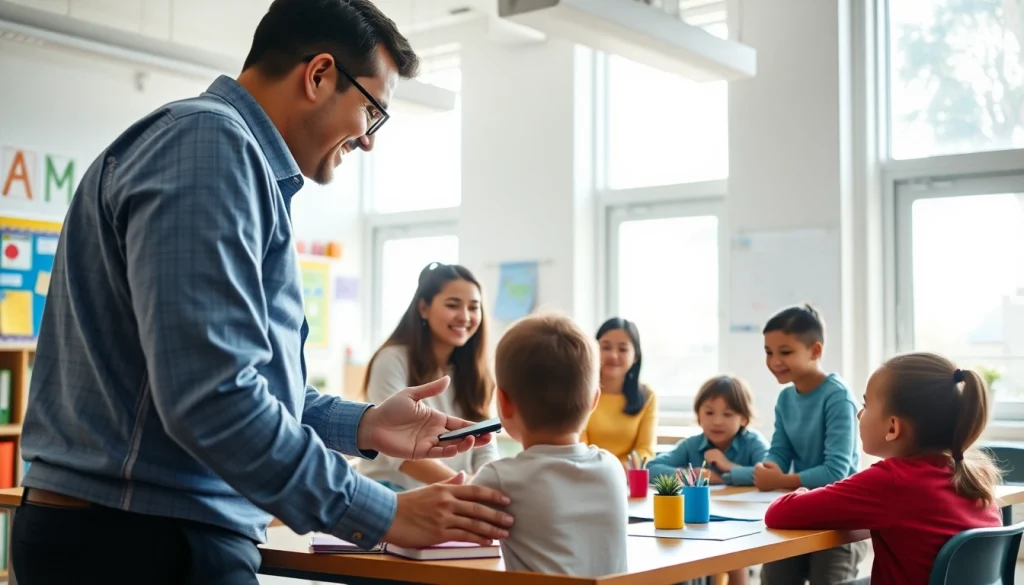
Creating an inclusive classroom involves recognizing and valuing the diversity of students’ backgrounds, abilities, and learning preferences. Educators can employ differentiated instruction, adaptive learning technologies, and culturally responsive pedagogy to accommodate various needs. Building a supportive classroom environment that fosters respect and understanding among students enhances both academic and social outcomes, enabling all learners to thrive.
Effective Assessment and Feedback Methods
Assessment in education should extend beyond standardized testing. Formative assessments, peer reviews, and self-assessments are effective methods through which students can gain insights into their learning progress. Providing timely and constructive feedback fosters a growth mindset, encouraging students to embrace challenges and learn from their mistakes. Additionally, involving students in the assessment process can empower them to take ownership of their learning journey.
The Future of Education: Trends and Predictions
Integrating Technology in Education
The future of education is inextricably linked with technological advancements. Integrating technology into the educational framework can enhance learning experiences and make them more interactive and engaging. Tools such as virtual reality (VR), artificial intelligence (AI), and machine learning can customize learning pathways to suit individual needs. Educators must remain informed about technological trends to effectively prepare students for a digitally driven world.
Global Education Initiatives and Reform Efforts
Across the globe, various initiatives seek to reform education systems to meet contemporary needs. International organizations advocate for educational equity, sustainability, and inclusiveness through frameworks like the United Nations Sustainable Development Goals. Such reform efforts focus on improving educational access and ensuring that all individuals can benefit from quality education regardless of their backgrounds. Collaboration between governments, NGOs, and communities is essential to drive change effectively.
Preparing Students for a Rapidly Changing Job Market
As the job market evolves rapidly due to technological innovations, it is crucial for educational institutions to prepare students for future careers that may not even exist today. This requires a shift towards teaching skills such as adaptability, creativity, and problem-solving alongside traditional academic knowledge. Collaborations with industries to provide real-world experiences can enhance students’ preparedness and employability, ensuring they can navigate a competitive landscape with confidence.