Understanding Education in Modern Contexts
Education is a fundamental pillar of society, shaping individuals and communities alike. In an ever-evolving landscape influenced by technology, societal changes, and global challenges, understanding the nuances of education is essential. This article delves into various aspects of education—its evolution, its significance, the challenges it faces, and the effective strategies that can be adopted for improved outcomes. A comprehensive exploration of these dimensions reveals not just what education is, but what it can become.
The Evolution of Education
The concept of education has undergone profound transformations throughout history. Initially, education was informal, relying on oral traditions and apprenticeship forms. In ancient civilizations, education was reserved for the elite, often focusing on rhetoric, philosophy, and religious studies. The advent of the printing press in the 15th century marked a turning point, allowing for the dissemination of knowledge beyond the privileged few.
In the modern era, the establishment of formal educational institutions made learning systematic. The shift from rote memorization to critical thinking and problem-solving skills can be traced back to the Enlightenment’s influence on education. The introduction of progressive education in the 20th century emphasized the importance of experiential learning, while contemporary trends lean towards personalized and inclusive education, catering to diverse learner needs.
Importance of Lifelong Learning
Education is no longer confined to the early years of life; rather, it is a continuous process that fosters personal and professional development. Lifelong learning is essential in today’s fast-paced world, where technological advancements and globalization necessitate the acquisition of new skills and knowledge on an ongoing basis.
Engaging in lifelong learning fosters adaptability, critical thinking, and resilience. Individuals who embrace lifelong learning become better equipped to navigate career transitions, enhance their employability, and contribute meaningfully to their communities. Institutions and organizations play a pivotal role in promoting lifelong learning through various programs, workshops, and access to online resources.
Challenges in Current Education Systems
Despite the advancements in education, numerous challenges remain prevalent. Issues such as unequal access to education, outdated curricula, and insufficient funding hinder the effectiveness of educational systems worldwide. Socioeconomic disparities contribute significantly to educational inequalities, impacting students’ experiences and outcomes.
Moreover, the COVID-19 pandemic exposed weaknesses in the education sector, highlighting the lack of preparedness for remote learning. Many students faced challenges with engagement and access to technology, further exacerbating existing inequities. To combat these challenges, it is crucial for educators, policymakers, and communities to work collaboratively towards innovative solutions.
Effective Educational Strategies
In the face of existing challenges, adopting and implementing effective educational strategies is vital for fostering a conducive learning environment. These strategies focus on engagement, personalization, and inclusivity, ensuring every learner’s needs are met.
Innovative Teaching Methods
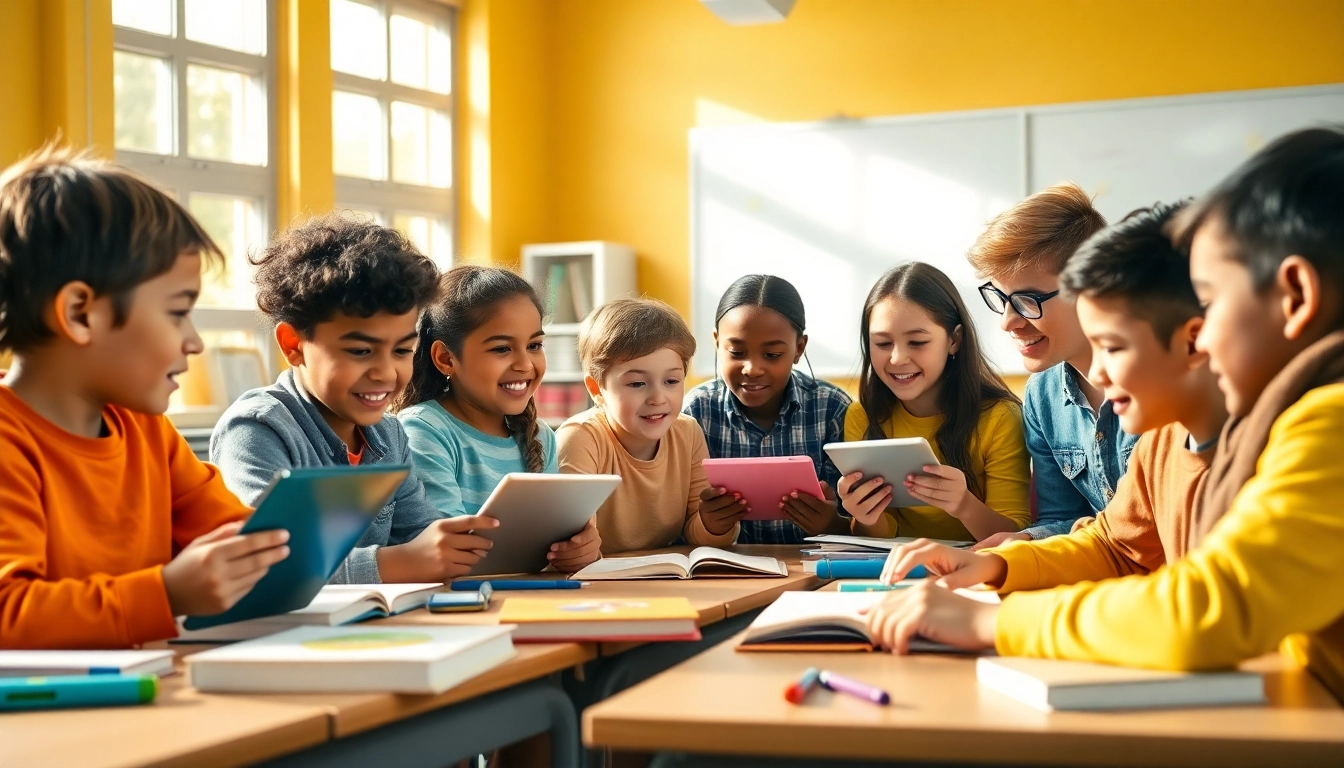
Innovative teaching methods, such as project-based learning, flipped classrooms, and experiential learning, are transforming traditional educational approaches. Project-based learning encourages students to engage in hands-on projects that connect classroom learning to real-world issues, fostering critical thinking and collaboration.
The flipped classroom model, where students learn content at home and engage in meaningful activities in the classroom, promotes active learning and self-direction. Educators employing these methods often find that they can cater to diverse learning styles while enhancing student engagement and retention of knowledge.
Incorporating Technology in Education
The integration of technology in education has revolutionized the learning experience. Tools such as online platforms, educational apps, and virtual reality create interactive and immersive learning environments. For example, the utilization of online learning platforms enables educators to reach a wider audience and provide personalized learning experiences.
Moreover, incorporating technology empowers educators to track student progress more effectively, allowing for timely interventions and adjustments to teaching strategies. However, it is crucial to ensure that technology enhances learning rather than detracts from it, promoting a balanced approach to digital and face-to-face interactions.
Creating Inclusive Learning Environments
Inclusive education is centered on the belief that every learner deserves equal opportunities to succeed, regardless of their background or abilities. Creating inclusive learning environments involves implementing strategies that celebrate diversity, provide necessary accommodations, and foster a sense of belonging for all students.
Educators must cultivate awareness of different learning styles and support diverse needs through differentiated instruction. Collaborating with special education professionals and providing professional development on inclusive practices can significantly enhance outcomes for all learners.
Stakeholder Roles in Education
The collaborative involvement of various stakeholders is crucial to achieving educational success. Educators, parents, and community members each play distinct yet interconnected roles that contribute to a holistic educational experience for students.
The Role of Educators in Student Success
Educators are at the heart of the learning process. Their ability to inspire, engage, and motivate students is paramount to fostering academic success. Effective educators leverage their expertise to create dynamic learning environments that encourage curiosity and critical thinking.
Professional development opportunities help educators stay abreast of the latest research, teaching techniques, and technological advancements, which will enhance their effectiveness in the classroom. Furthermore, strong teacher-student relationships build trust and create a safe space for students, promoting a positive learning atmosphere.
Parental Involvement in Education
Parents play a vital role in their children’s education, serving as their first teachers and advocates. When parents actively engage in their child’s learning journey, academic performance and overall well-being improve significantly. Providing support at home, such as encouraging reading and involvement in school activities, reinforces the value of education.
Schools can facilitate parental involvement by offering workshops, conferences, and resources that equip parents with the tools necessary to support their children effectively. Establishing open lines of communication between educators and parents is vital for fostering collaboration that benefits students.
Community Engagement in Learning
Communities play an integral role in shaping educational experiences. Strong community partnerships can enhance the resources and opportunities available to students. Programs that involve local businesses and organizations in education can create internships, mentoring, and experiential learning opportunities that bridge the gap between classroom learning and real-world applications.
Moreover, community organizations can provide support services, such as counseling and after-school programs, which further enrich the educational experience. Engaging the community fosters a collective sense of responsibility in nurturing the next generation.
Measuring Educational Outcomes
Measuring educational outcomes is crucial for assessing the effectiveness of educational strategies and interventions. Performance metrics provide valuable insights that can inform decision-making and guide improvements in educational practice.
Performance Metrics in Education
Performance metrics encompass various aspects of educational outcomes, including standardized test scores, graduation rates, and college readiness indicators. While standardized testing offers some insight into student achievement, it is essential to complement these metrics with qualitative measures, such as student surveys and feedback from educators.
Formative assessments, which gauge student learning throughout the instructional process, are instrumental in identifying strengths and areas for improvement. Data-driven decision-making enables educators to tailor their approaches to maximize student learning outcomes.
Assessing Student Engagement
Student engagement is a critical factor in educational success. Measuring student engagement involves analyzing attendance rates, participation in class discussions, and involvement in extracurricular activities. Engaged students are more likely to achieve higher academic performance and develop a love for learning.
To assess engagement effectively, educators must employ a variety of strategies, including observation, surveys, and reflective practices. Understanding what motivates students and creating engaging learning experiences can significantly enhance their involvement in the educational process.
Evaluating Learning Environments
Evaluating learning environments is essential for creating spaces conducive to education. Factors such as classroom design, accessibility, and the emotional climate within a classroom significantly influence student learning. Educational institutions must prioritize creating supportive learning environments that promote safety, collaboration, and inclusivity.
Regular evaluations should involve collecting feedback from students, educators, and parents to ensure that the environment meets the diverse needs of all learners. Continuous improvement in learning environments is critical for sustaining student engagement and academic success.
The Future of Education
As society continues to evolve, so too must education. The future of education is poised to embrace new methodologies, technologies, and approaches to better serve the needs of learners in an increasingly complex world.
Trends Shaping the Future of Education
Numerous trends are emerging that will shape the future of education. Personalization, through learning analytics and adaptive learning technologies, allows for tailored educational experiences. Social-emotional learning (SEL) is gaining traction as an essential component of education, focusing on fostering interpersonal skills and emotional intelligence.
Additionally, global collaboration and digital citizenship are becoming vital as students are prepared to thrive in a technology-driven world. Understanding the interconnectedness of global issues is crucial for developing a generation of informed and active global citizens.
Preparing for Global Challenges
The challenges of the future, including climate change, economic disparities, and social justice, necessitate an education system prepared to tackle these complexities. Education must equip students with the skills needed to think critically and innovatively to find solutions to pressing global issues.
Collaborative, interdisciplinary approaches foster a deeper understanding of these challenges while prompting students to take active roles in their communities. Integrating sustainability and ethical considerations into educational curricula is essential for preparing learners to contribute positively to society.
Vision for Sustainable Education
As we look to the future, the vision for education must encompass sustainability—not just in terms of environmental practices but in fostering inclusive and equitable educational opportunities. A sustainable education system emphasizes lifelong learning and adaptability, ensuring that all individuals can thrive amid rapid societal and technological changes.
This vision calls for collective efforts from educators, policymakers, and communities to prioritize inclusive practices, innovative strategies, and student well-being. Only through a collaborative commitment to education can we build a brighter, more equitable future for all.