
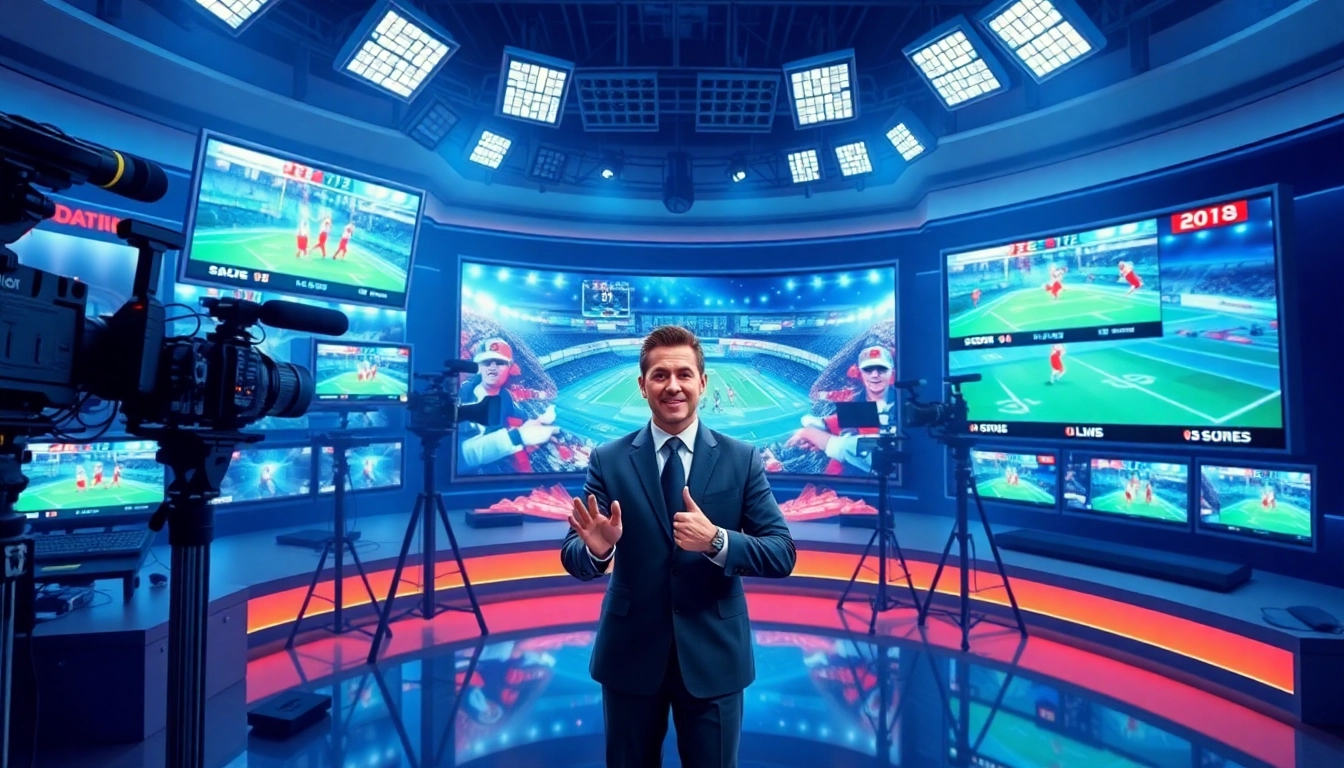
Understanding Sports Broadcasting
Definition and Importance of Sports Broadcasting
Sports broadcasting is the dissemination of sports content via various media platforms, including television, radio, and online streaming services. It encompasses live events, commentary, highlights, interviews, and analysis. The importance of Sports Broadcasting lies in its ability to connect fans with their favorite sports, athletes, and teams, providing real-time access to thrilling moments and profound experiences that enhance fan engagement and loyalty.
Historical Overview of Sports Broadcasting
The roots of sports broadcasting can be traced back to the early 20th century with the advent of radio. The first live sports event was broadcast in 1921 when a boxing match was aired. Television then transformed the landscape in the 1950s, enabling more widespread accessibility to live sports. Major events like the Super Bowl and the FIFA World Cup saw unprecedented viewer engagement, cementing the importance of broadcasting within the sports industry.
Market Trends in Sports Broadcasting
In recent years, the sports broadcasting marketplace has undergone significant changes. The rise of digital platforms and social media has transformed how fans consume sports content. Streaming services have surged, catering to on-demand viewing preferences. Additionally, augmented reality (AR) and virtual reality (VR) technologies are beginning to shape the viewer experience, offering immersive opportunities for engagement beyond traditional broadcasting methods.
Key Components of Effective Sports Broadcasting
Technical Setup: Equipment and Technology
The backbone of sports broadcasting is its technical setup, including cameras, sound equipment, and broadcasting tools. High-definition cameras are crucial for capturing the excitement of live events, while sophisticated audio equipment enhances commentary and ambient sounds. Broadcast networks invest heavily in state-of-the-art technology to ensure seamless transmission and clarity, providing viewers with an optimal experience.
Content Creation: Engaging Storytelling
Effective sports broadcasting extends beyond mere event coverage. Engaging storytelling is essential, as it brings context and depth to the competition. Broadcasters must weave narratives that highlight player backgrounds, team dynamics, and the stakes involved, creating an emotional connection with viewers. Successful storytelling can be achieved through pre-game analyses, interviews, and post-event discussions, which amplify audience engagement.
Audience Interaction: Building Community
Developing a sense of community among fans is crucial for sports broadcasters. Interactive platforms such as social media allow broadcasters to engage with audiences in real time, encouraging conversations and feedback. Polls, Q&A sessions with commentators, and fan-generated content create a two-way conversation that enhances the overall viewing experience, making fans feel included in the sporting dialogue.
Challenges Facing Sports Broadcasting Today
Adapting to Technology Changes
With technology evolving rapidly, sports broadcasters face the challenge of staying current. Streaming technology, having gained huge popularity, demands broadcasters to enhance their offerings to reduce latency and improve visual quality. Adapting to changing hardware and software is crucial for those in the industry to meet audience expectations in a competitive landscape.
Maintaining Viewer Engagement
As viewing habits change, maintaining audience engagement has become increasingly challenging. The decline of traditional cable subscriptions and the rise of short-form content mean that broadcasters must innovate to keep viewers interested. Strategies to combat these shifts include diversifying content formats, such as behind-the-scenes footage, highlight reels, and interactive live shows.
Legal and Ethical Considerations
Sports broadcasting must navigate a complex landscape of legal and ethical considerations. Intellectual property rights, licensing agreements, and broadcasting regulations vary by market and impact how games and events are covered. Ethical concerns, such as accurate reporting and responsible commentary, also play a significant role in maintaining credibility and trust with the audience.
Best Practices for Sports Broadcasting
Leveraging Social Media for Promotion
Utilizing social media platforms is essential for modern sports broadcasting. By sharing snippets, highlights, and interactive content, broadcasters can reach wider audiences and create buzz around events. Backstage access, interviews, and engaging stories help foster community and keep fans invested in the brand, translating to higher viewership during live broadcasts.
Analytics: Measuring Success
Data analytics play a crucial role in determining the effectiveness of sports broadcasting strategies. Metrics such as viewer ratings, demographic engagement, and social media interactions provide valuable insights into audience preferences and behavior. By analyzing these insights, broadcasters can refine their content strategies to resonate better with viewers, ultimately leading to improved satisfaction and loyalty.
Creating Interactive Experiences
Fostering interactive experiences is pivotal in today’s broadcasting landscape. Incorporating features like live polls, interactive graphics, and viewer participation segments can enhance the viewing experience. This not only keeps audiences engaged but also provides broadcasters with immediate feedback on viewer interests and preferences, allowing them to adapt their strategies accordingly.
Future of Sports Broadcasting
Innovative Technologies on the Horizon
The future of sports broadcasting is bright, with exciting innovations on the horizon. Technologies such as artificial intelligence (AI) and machine learning hold potential for personalized viewing experiences. AI can analyze vast amounts of data to predict viewer preferences, suggesting tailored content that enhances fan engagement and encourages loyalty.
Globalization and Its Impact
Globalization has opened up new avenues for sports broadcasting, enabling audiences to access content from around the world. This shift presents challenges and opportunities, as broadcasters must cater to diverse cultural preferences while ensuring compliance with local regulations. Capitalizing on this global audience requires keen market understanding and strategic partnerships across regions.
Anticipating Changing Viewer Preferences
As viewer preferences evolve, staying ahead of trends in content consumption is essential. Shorter attention spans and a demand for high-quality, interactive experiences require broadcasters to innovate continually. Adapting to these preferences means providing options for various formats and styles of viewing, ensuring that offerings remain relevant and engaging in a rapidly changing landscape.