

Anxiety is a common emotional experience that everyone encounters at some point in life. It is the body’s natural response to stress, often triggering feelings of worry, fear, or unease. While occasional anxiety is normal, persistent or intense anxiety can interfere with daily life, relationships, and personal development. Recognizing Anxiety symptoms early is crucial for managing them effectively and maintaining emotional wellness. At Calm Minds Hub, we believe that understanding these symptoms helps you respond with kindness and practical strategies for healing.
Understanding Anxiety Symptoms
Anxiety symptoms are not always easy to detect because they can vary from person to person. They may appear suddenly or gradually and often affect both the mind and body. Early recognition of these symptoms allows for timely intervention, which can prevent anxiety from escalating into more severe mental health conditions. Anxiety symptoms can be broadly categorized into emotional, physical, and behavioral signs.
Emotional Anxiety Symptoms
Emotional symptoms are often the first signals that anxiety is developing. These may include:
- Persistent worry about everyday situations, such as school, work, or relationships
- Feeling restless, on edge, or constantly “tense”
- Irritability or quick frustration over minor issues
- Difficulty concentrating or making decisions
- A sense of impending danger or doom without a clear reason
For example, a student may feel constantly nervous about exams, even if they have studied thoroughly. This emotional tension can affect their confidence and overall mood.
Physical Anxiety Symptoms
Anxiety often manifests in the body, producing physical symptoms that may seem unrelated to stress at first. These can include:
- Rapid heartbeat or palpitations
- Shortness of breath or difficulty breathing
- Muscle tension, headaches, or jaw clenching
- Sweating, trembling, or shaking
- Nausea, digestive issues, or stomach discomfort
- Feeling fatigued even after adequate rest
Consider someone giving a presentation in front of a large audience. Their heart races, palms sweat, and muscles tighten. Recognizing these physical signs as anxiety symptoms helps the person take steps to manage them before they escalate.
Behavioral Anxiety Symptoms
Behavioral changes can also indicate underlying anxiety. People experiencing anxiety may:
- Avoid social situations or activities they once enjoyed
- Procrastinate or struggle with completing tasks
- Engage in repetitive behaviors, such as nail-biting or pacing
- Overthink decisions or seek constant reassurance from others
- Experience sleep disturbances, including trouble falling asleep or staying asleep
A practical example is a teenager avoiding social events because of fear of judgment. This avoidance can affect friendships and overall confidence, highlighting the importance of early recognition of anxiety symptoms.
Common Types of Anxiety and Their Symptoms
Anxiety symptoms can appear in various forms depending on the type of anxiety disorder. Understanding these types helps in identifying patterns and seeking appropriate support.
Generalized Anxiety Disorder (GAD)
GAD is characterized by persistent and excessive worry about multiple areas of life, such as school, work, and family matters. Common symptoms include:
- Constant worry that is difficult to control
- Restlessness or feeling “on edge”
- Muscle tension, headaches, or fatigue
- Difficulty concentrating or making decisions
Panic Disorder
Panic disorder involves sudden and intense episodes of fear known as panic attacks. Symptoms often include:
- Heart palpitations or chest pain
- Shortness of breath or choking sensations
- Dizziness or feeling faint
- Feeling detached from reality or “out of control”
Social Anxiety Disorder
Social anxiety disorder is the fear of being judged or embarrassed in social situations. Symptoms include:
- Avoidance of social events or public speaking
- Intense worry about interacting with others
- Physical signs like sweating, shaking, or blushing
- Low self-esteem and fear of negative evaluation
Specific Phobias
Specific phobias involve fear of particular objects or situations, such as heights, spiders, or flying. Symptoms include:
- Immediate and intense fear when confronted with the phobic stimulus
- Avoidance behavior
- Rapid heartbeat, sweating, or trembling
- Panic attacks in extreme cases
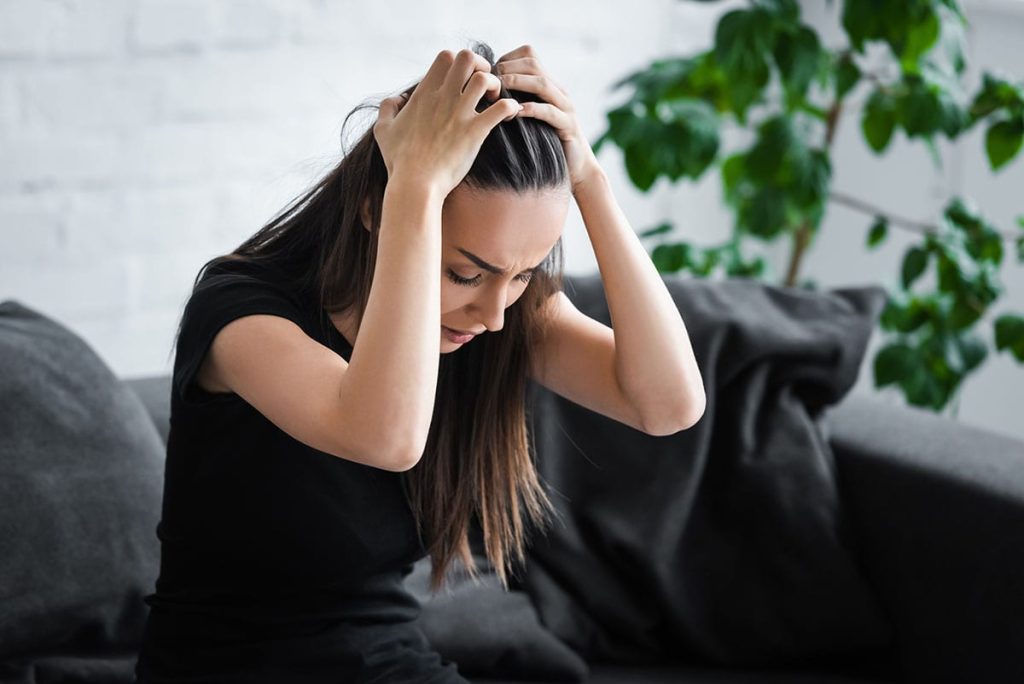
Real-Life Scenarios Illustrating Anxiety Symptoms
Recognizing anxiety symptoms becomes easier when we relate them to real-life situations.
- School Performance: A student may feel persistent worry about grades, struggle with concentration, and experience stomachaches before exams. These are emotional and physical anxiety symptoms manifesting together.
- Work Stress: An employee may avoid meetings or assignments due to fear of judgment, showing behavioral anxiety-symptoms such as procrastination or avoidance.
- Social Interactions: Someone may feel an intense fear of attending a party, experience a racing heart, and find themselves constantly rehearsing conversations in their mind, combining emotional, physical, and behavioral symptoms.
By identifying these patterns early, individuals can take proactive steps to manage anxiety and reduce its impact on daily life.
Strategies for Managing Anxiety Symptoms
Early recognition of anxiety symptoms is only the first step. Once identified, several strategies can help manage and reduce these symptoms.
Lifestyle Adjustments
- Maintain a balanced diet to stabilize mood and energy levels
- Engage in regular physical activity to release tension and improve mental health
- Prioritize sleep and establish a consistent sleep routine
- Reduce caffeine and alcohol intake, which can worsen anxiety-symptoms
Mindfulness and Relaxation Techniques
- Practice deep breathing exercises to calm the nervous system
- Engage in meditation or guided relaxation practices
- Use progressive muscle relaxation to release tension in the body
- Journaling thoughts and emotions to gain perspective and reduce worry
Cognitive and Behavioral Approaches
- Challenge negative thoughts by examining evidence and seeking alternative perspectives
- Break tasks into smaller, manageable steps to prevent overwhelm
- Set realistic goals and celebrate small achievements
- Gradually face feared situations to reduce avoidance behavior
Seeking Professional Support
When anxiety symptoms persist or interfere with daily functioning, professional help is essential. Options include:
- Psychotherapy, such as cognitive-behavioral therapy (CBT), to address thought patterns
- Medication prescribed by a licensed professional for moderate to severe anxiety
- Support groups or peer counseling for shared experiences and coping strategies
Importance of Early Recognition
Identifying anxiety-symptoms early can prevent long-term complications, such as chronic stress, depression, or reduced quality of life. Early recognition allows for:
- Timely intervention through lifestyle changes or therapy
- Improved emotional resilience and coping skills
- Better management of personal, academic, or professional responsibilities
- Stronger and healthier relationships through open communication
Recognizing early signs is like noticing warning lights on a car dashboard. Addressing them promptly ensures smooth functioning and prevents more severe issues later.
Supporting Others Experiencing Anxiety Symptoms
Understanding anxiety symptoms is not only important for personal growth but also for supporting friends, family, and community members. Strategies include:
- Listening without judgment and offering empathy
- Encouraging professional help when necessary
- Creating a safe environment where individuals feel comfortable expressing emotions
- Learning about anxiety symptoms to identify early signs in loved ones
Conclusion
Anxiety symptoms are signals from the mind and body indicating that stress levels are high and coping mechanisms may need support. Recognizing these symptoms early empowers individuals to manage their emotional health effectively. By understanding emotional, physical, and behavioral signs, making lifestyle adjustments, practicing mindfulness, and seeking professional support when needed, anyone can build resilience and maintain mental wellness. Calm Minds Hub emphasizes the importance of kindness, understanding, and practical knowledge in navigating anxiety. Early recognition of anxiety symptoms is the first step toward a healthier mind, balanced life, and stronger relationships. Explore our homepage now to stay ahead in the digital world.
FAQs
What are the earliest signs of anxiety symptoms?
The earliest signs often include persistent worry, restlessness, irritability, muscle tension, sleep disturbances, and difficulty concentrating. Recognizing these symptoms early allows for timely management and support.
How can I differentiate normal stress from anxiety symptoms?
Normal stress usually occurs in response to a specific event and fades once the situation is resolved. Anxiety symptoms are more persistent, intense, and may interfere with daily life, relationships, or work, even without a clear trigger.
Can lifestyle changes help reduce anxiety symptoms?
Yes. Healthy eating, regular exercise, sufficient sleep, mindfulness practices, and stress management techniques can significantly reduce anxiety symptoms. Combining these with professional support when necessary yields the best results.