
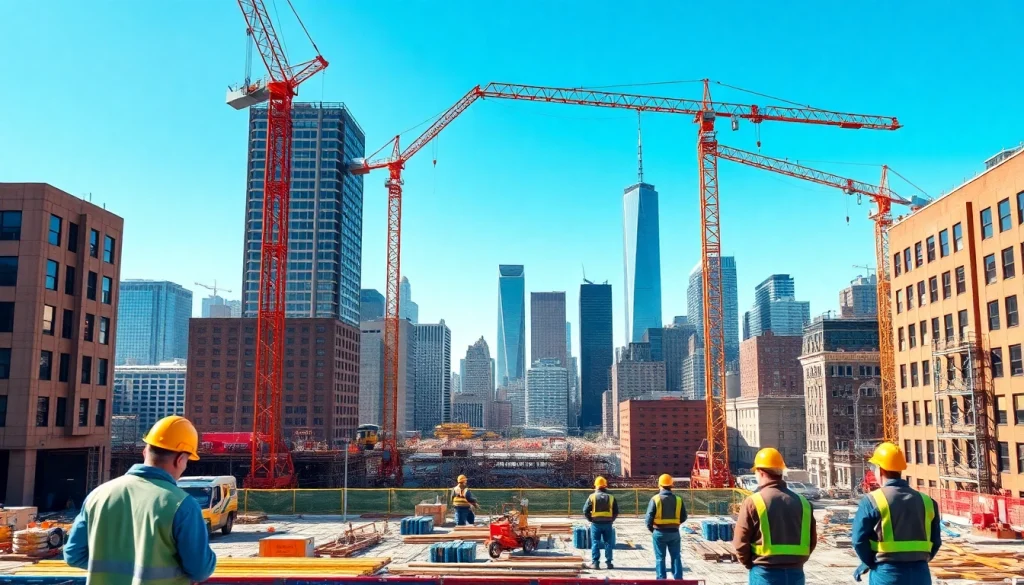
The Role of a New York City Commercial General Contractor
When embarking on any commercial construction project in New York City, the importance of a reliable and competent general contractor cannot be overstated. A New York City Commercial General Contractor serves as the linchpin in the construction process, orchestrating everything from project initiation to completion while ensuring compliance with local regulations, building codes, and safety standards. In this article, we will delve deeply into the responsibilities, key skills, and the importance of experience when choosing the right contractor for your commercial project.
Understanding Responsibilities and Services
A general contractor’s primary responsibility is to oversee the entirety of a construction project. This includes the coordination of subcontractors—such as electricians, plumbers, and carpenters—as well as managing the overall budget and timeline. Key responsibilities include:
- Project Planning: This involves developing a detailed project plan that includes timelines, resource allocation, and budgeting.
- Contract Negotiation: A contractor must negotiate contracts with subcontractors and suppliers to ensure that costs are within budget while maintaining quality standards.
- Permits and Compliance: Navigating the complexities of New York City’s building codes requires a deep understanding of local regulations, and a good contractor will handle all necessary permits and compliance measures.
- Quality Control: Regular inspections during construction to ensure quality workmanship and adherence to the project specifications.
- Communication: Keeping stakeholders informed and maintaining clear lines of communication throughout the entire project.
Key Skills to Look For
Choosing the right contractor goes beyond simply picking a well-known name. Here are some essential skills to evaluate:
- Strong Leadership: A general contractor must lead diverse teams effectively, inspiring confidence and motivating workers.
- Problem-Solving Skills: Issues often arise during construction; having a contractor who can quickly devise practical solutions is crucial.
- Financial Acumen: A high level of financial understanding helps manage budgets and identify cost-saving opportunities.
- Technical Knowledge: Familiarity with construction methodologies and the latest industry technologies is essential to achieve high-quality results.
- Client-Focused Approach: A contractor should prioritize clients’ needs and adapt to their objectives, ensuring satisfaction.
Importance of Experience in NYC
New York City presents a unique set of challenges in the construction sector, from strict building codes to densely populated work sites. Experience in this environment is invaluable. Here’s why:
- Local Knowledge: Experienced contractors are familiar with the particular ins and outs of NYC regulations, which helps avoid costly mistakes.
- Established Networks: A well-connected contractor has existing relationships with reliable subcontractors and suppliers, enabling better resource management.
- Adaptability: An experienced contractor is more adept at navigating unexpected issues and shifting project demands.
How to Evaluate Potential Contractors
Selecting the right New York City Commercial General Contractor involves thorough evaluation of candidates. Here are key strategies to guide your selection process:
Assessing Credentials and Licensing
First and foremost, ensure that the contractor holds the appropriate licenses and insurance. This not only protects you legally but also indicates a commitment to operating within standards:
- Verify Licenses: Check that the contractor is licensed to operate in New York City, as this is a legal requirement.
- Insurance Coverage: Ensure the contractor has comprehensive insurance, including liability and worker’s compensation, to cover any potential accidents or damages.
Reviewing Past Projects and Case Studies
Examine the contractor’s portfolio for similar projects they have completed. Look for:
- Diversity: A varied portfolio indicates a broad experience, which can be vital for unique project demands.
- Quality: Review the quality of work and whether it meets your specific needs and standards.
- References: Contact former clients to gauge their satisfaction and the contractor’s performance.
Gathering and Comparing Quotes
Once you identify potential contractors, gather detailed quotes from each. Pay attention to:
- Breakdown of Costs: Ensure detailed breakdowns of labor, materials, and any other costs to avoid hidden charges later.
- Timeline Estimates: Evaluate how each contractor plans to manage timelines and schedules, including any contingencies for delays.
Common Challenges When Hiring a New York City Commercial General Contractor
While hiring a general contractor is essential, it comes with its set of challenges that you must be prepared to encounter:
Navigating Building Codes and Regulations
New York City is known for its strict regulations and building codes, making it essential for any contractor to navigate these effectively. Non-compliance can lead to:
- Fines and penalties
- Project delays due to stop-work orders
- Increased costs for rework or permits
Managing Communication and Updates
Communication is a critical element throughout the construction process. Lack of clear updates can result in misunderstandings and misaligned expectations. Here are some best practices to ensure effective communication:
- Schedule regular progress meetings with updates.
- Establish clear channels of communication through emails, project management tools, or apps.
Addressing Budget Overruns and Delays
Budget management is crucial, yet overruns are common in construction projects. To mitigate these risks:
- Set aside contingency funds for unexpected expenses.
- Monitor the budget closely and review financial reports regularly.
- Engage in proactive planning to identify potential delays early.
Best Practices for Collaborating with Your Contractor
Building a strong partnership with your contractor can significantly enhance the outcome of your project. Here are some best practices:
Establishing Clear Expectations and Milestones
From the outset, clearly define your goals, budget, and timeline with the contractor. Setting milestones helps keep the project on track and ensures that you are aligned on expectations:
- Define critical checkpoints for project phases.
- Confirm deliverables at each milestone.
Utilizing Project Management Tools
Implement project management tools and software to streamline communication and project tracking. This can help in:
- Centralizing information for easy accessibility
- Facilitating collaboration between teams
- Keeping stakeholders informed of progress
Regular Site Visits and Check-ins
Active involvement on-site is crucial. Regular visits allow for real-time updates and immediate discussions regarding progress. Key activities during site visits include:
- Inspecting quality of work
- Addressing any concerns promptly
- Reinforcing timelines and goals
Performance Metrics for Successful Projects
To determine the success of your project, it is essential to establish clear performance metrics right from the start:
Evaluating Project Outcome against Goals
At the project’s conclusion, assess how outcomes matched the original goals. Consider metrics such as:
- Completion time compared to initial estimates
- Cost alignment with the projected budget
- Quality of work performed
Stakeholder Satisfaction Surveys
Engage with all relevant stakeholders through surveys to gain insights onto their perception of the project success and collaboration:
- Gather feedback on both the process and final output.
- Use insights from these surveys to improve future projects.
Long-term Building Performance and Maintenance
Finally, consider the long-term performance of the completed project. Evaluate:
- Energy efficiency and sustainability measures
- Maintenance requirements over time
- Overall satisfaction with the facility’s functionality
Choosing the right New York City Commercial General Contractor is a critical first step in ensuring the success of your commercial projects. By understanding the contractor’s role, evaluating candidates effectively, and maintaining open communication throughout the process, you can navigate the complexities of commercial construction with greater confidence. Apply these insights as you embark on your next construction journey to achieve outstanding outcomes.