Introduction to Induction Cooking
Induction cooking has rapidly gained popularity for its efficiency and precision. Unlike traditional cooking methods that rely on direct flame or electric coils, induction cooking utilizes electromagnetic energy to heat pots and pans directly. This innovative approach results in quicker cooking times, as it provides instant heat that can be easily controlled. However, to make the most of an induction cooktop, one must understand the specific requirements for cookware. In this article, we will explore the best cookware for induction NZ and what makes them suitable for this modern cooking technology.
How Induction Cooking Works
At the core of induction cooking is a copper coil located beneath the cooktop's surface. When you place a compatible pot or pan on the cooktop, the electric current flows through the coil, generating a magnetic field. This field induces heat directly within the cookware, hence heating it quickly without wasting energy. It's important to note that for induction cooking to work, the cookware must be ferrous, meaning it contains iron or is designed to be magnetic.
Benefits of Induction Cooking
Induction cooking offers several advantages:
- Speed: Cooking times are significantly reduced since induction heats cookware almost instantly.
- Energy Efficiency: Because it directly heats the cookware, less energy is wasted compared to traditional methods.
- Safety: The cooktop itself remains cool to the touch, reducing the risk of burns. Moreover, induction cookware is less likely to tip over.
- Precision: Induction allows for precise temperature control, making it easier to achieve the perfect simmer or sauté.
Understanding Cookware Compatibility
Before investing in induction cookware, it's crucial to check compatibility. Not all pots and pans work with induction cooktops. Cookware must have a flat, magnetic base to create the necessary interaction with the electric coil. Most stainless steel, cast iron, and enameled cookware are induction-compatible, while aluminum, glass, and some non-stick varieties may not work unless they're specifically designed for induction use.
Key Features of Best Cookware for Induction NZ
Material Considerations
Choosing the right material is pivotal when selecting induction cookware. Here are some popular choices:
- Cast Iron: Known for its excellent heat retention and even cooking, cast iron is ideal for induction cooking if it has a smooth, flat base.
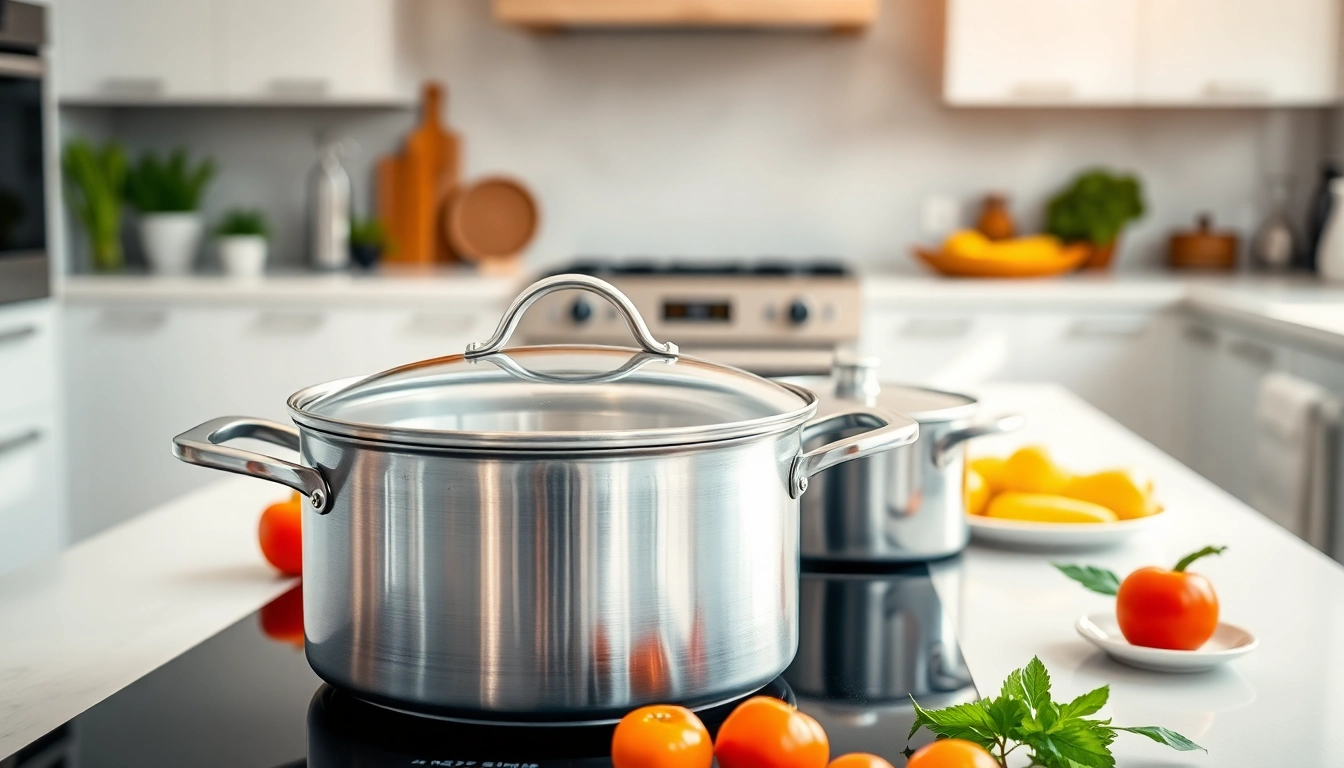
- Stainless Steel: Durable and versatile, high-quality stainless steel cookware often comes with an aluminum or copper core for better heat distribution, making it well-suited for induction cooking.
- Non-Stick Options: Many brands now offer non-stick cookware designed specifically for induction, featuring a ferrous base for better compatibility.
Base Construction
The base of the cookware plays a significant role in its induction efficiency. A good induction cookpot or pan should have a thick, flat base to ensure maximum contact with the cooktop for optimal heat transfer. Look for cookware with multiple layers of materials (like stainless steel with an aluminum core) for enhanced performance.
Handle and Lid Designs
While functionality is key, comfort and design can elevate the cooking experience. Ergonomically designed handles that stay cool and are easy to grip are preferable. Lids should fit snugly to retain moisture and flavor, making dishes more delicious and reducing cooking times.
Top Picks for Best Cookware for Induction NZ
Budget-Friendly Options
For those shopping within a budget, there are excellent options that do not compromise on quality. Look for brands offering durable stainless steel cookware with aluminum cores. These can often be found at competitive prices, making them accessible for everyday use without sacrificing performance.
Premium Selections
If you're willing to invest in higher-quality cookware, consider options that feature advanced materials and premium designs. These often include heavy-duty stainless steel, premium non-stick coatings, and unique design elements that enhance both performance and aesthetics.
Specialty Cookware Considerations
For specific cooking tasks, specialty cookware like woks or Dutch ovens designed for induction cooking can enhance your culinary repertoire. When selecting these pieces, ensure they boast a heavy, flat base for optimal heating properties while being sufficiently deep or wide for various cooking techniques.
Care and Maintenance for Induction Cookware
Cleaning Tips
Maintain your cookware by cleaning it according to the material. Generally, stainless steel and cast iron can withstand harsher cleaning methods, while non-stick varieties require gentler care. Avoid abrasive scrubbers that can scratch surfaces, and consider using warm, soapy water with a soft sponge for regular cleaning.
Avoiding Common Mistakes
To keep your cookware in good condition, avoid dragging pots across the cooktop, which can scratch both the cookware and the surface. Additionally, always ensure the cookware is completely dry before storing to prevent any formation of rust, particularly with cast iron.
Long-Term Care Strategies
To prolong the life of your induction cookware, follow specific care instructions provided by the manufacturer. Regularly check for warping or damage and replace any items that no longer perform efficiently. For cast iron, periodic seasoning can help maintain its non-stick properties and prevent rust.
Frequently Asked Questions
What cookware is best for induction stoves?
The best cookware for induction stoves is made of stainless steel, cast iron, or magnetized aluminum, ensuring it has a flat, magnetic base for efficient heating.
Can all stainless steel cookware be used on induction?
No, not all stainless steel cookware is induction-compatible. Look for cookware that is specifically marked as compatible or features a magnetic base.
What should I avoid using on induction cooktops?
Avoid using aluminum or glass cookware that is not specifically designed for induction. Always check if the cookware is labeled as induction-compatible to ensure efficient cooking.
How to test if cookware is induction compatible?
To test if cookware is induction-compatible, hold a magnet to the bottom; if it sticks, it’s suitable for induction cooking.
Are there environmentally friendly cookware options?
Yes, many brands offer environmentally friendly cookware options made from sustainable materials or with eco-friendly coatings, making them suitable for induction cooking.