
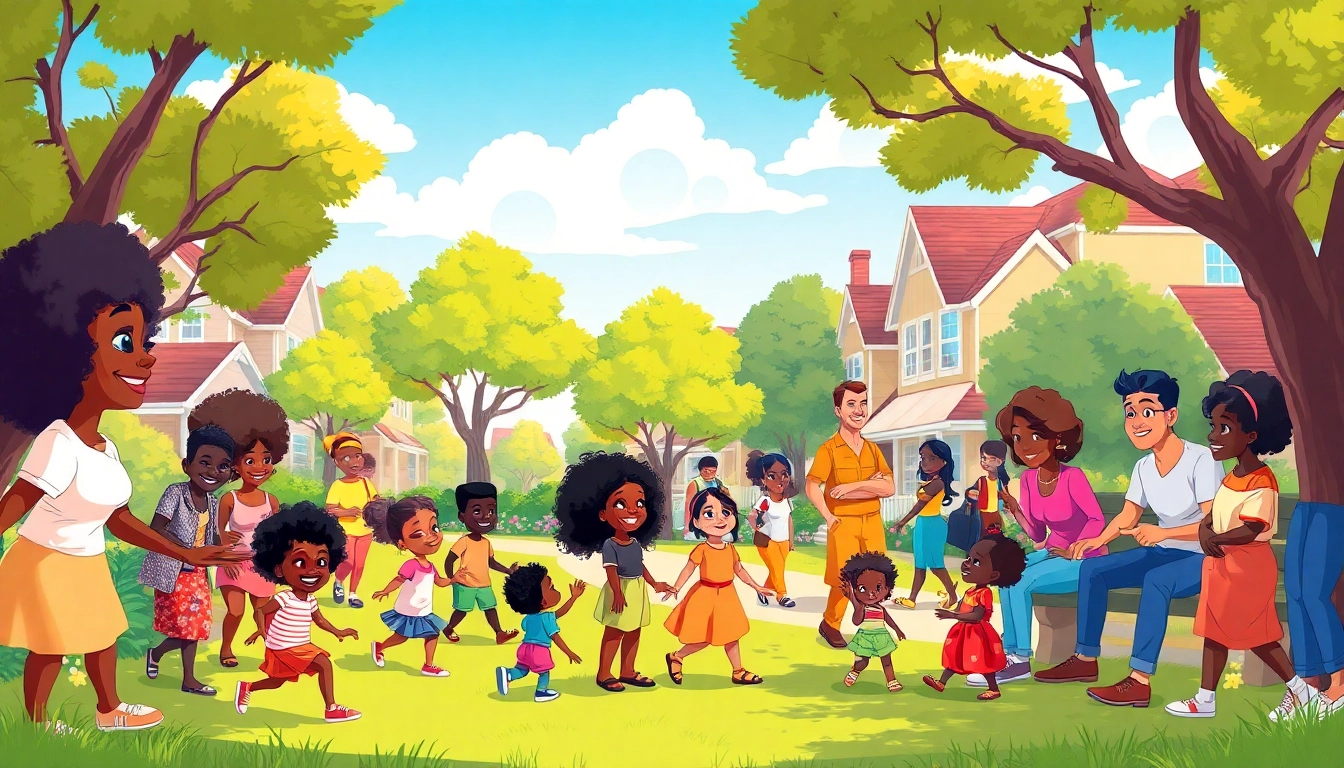
The Significance of African American Cartoons in Modern Media
The evolution of animation has been a reflection of societal changes and cultural values, and African American cartoons have played a pivotal role in this landscape. They not only entertain but also provide a platform for representation and dialogues surrounding identity, race, and culture. From the joyful laughter often depicted in family-oriented shows to the biting satire of social issues, these cartoons contribute significantly to both entertainment and cultural discourse. If you’re looking for a treasure trove of African American Cartoons, you'll find plenty of exciting choices that resonate with a diverse audience.
Historical Context and Evolution
The roots of African American representation in animation can be traced back to the early 20th century. Iconic characters like Ol' Man River from the 1930s and Yankee Doodle Dandy laid the groundwork for future representations. Over the decades, animations started reflecting the evolving narratives of African American life. The 1970s brought us Fat Albert and the Cosby Kids, a series that showcased the lives of urban adolescents, illustrating both challenges and triumphs. Following this, the 2000s saw a surge in more complex characters and narratives, with works like The Boondocks and The Proud Family, each sparking conversations around race and identity.
Influence on Culture and Entertainment
Cartoons like The Boondocks and Afro Samurai have not only entertained but have also sparked critical conversations about racial dynamics in America. These shows often challenge stereotypes and address systemic issues, engaging viewers in a way that transcends mere humor. Moreover, the popularity of these series has led to greater demand for diverse storytelling, influencing other media forms such as film and literature. For instance, characters like Frozone from Pixar's The Incredibles have become cultural icons, further solidifying the importance of representation in mainstream media.
Key Figures in African American Animation
Pioneers in the animation industry such as Floyd Norman, the first African American animator at Disney, and Matthew A. Cherry, who directed the Oscar-winning short film Hair Love, have paved the way for many emerging artists. They not only showcased talent but emphasized the need for narratives that resonate with African American culture. Their work has inspired a new generation of animators and storytellers, enriching the tapestry of animation with diverse perspectives.
Top African American Cartoons to Watch in 2026
As we look forward to 2026, several African American cartoons are garnering attention for their innovative storytelling and representation. These shows not only entertain but also educate viewers on various societal issues.
Groundbreaking Series for Kids
- Doc McStuffins: This show features a young African American girl who acts as a doctor for toys, promoting empathy and care.
- Motown Magic: Combining animation with the classic Motown sound, this series introduces children to the magic of creativity and music.
- Gracie's Corner: An educational series that promotes learning through song and dance, with a focus on cultural representation.
Must-Watch Animated Shows for Adults
- The Boondocks: A satirical series that explores African American culture through the eyes of two brothers raised in a predominantly white neighborhood.
- Black Dynamite: This animated series brings humor to the Blaxploitation genre while addressing social issues with wit and satire.
- Afro Samurai: A unique blend of action and animation, this series follows a samurai on a quest for revenge, tackling themes of honor and identity.
Hidden Gems and Indie Productions
- Hair Love: A touching short film that captures the bond between a father and daughter, demonstrating the importance of representation in animation.
- Bino and Fino: An educational series focusing on African culture, aimed at children, showcasing the beauty of African history and traditions.
- Unapologetic: An indie web series that tackles social justice issues with humor and authenticity, drawing from real-life experiences.
Character Representation and Diversity
The portrayal of African American characters in animation has evolved significantly over the years, showcasing a broad range of identities and experiences. This progress is essential for fostering acceptance and understanding across cultures.
Iconic Characters Shaping Identity
Characters like Huey and Riley Freeman from The Boondocks are not just cartoon figures; they embody critical discussions around race, identity, and socio-political issues. Other icons, such as Riley from The Proud Family, have become symbols of empowerment and resilience.
The Role of Female Characters in Cartoons
Women of color in animation are increasingly being portrayed as strong, independent characters. Shows like Doc McStuffins and Esme & Roy highlight female protagonists who are not only relatable but also serve as role models for young audiences. The importance of diverse female representation cannot be overstated, as these characters inspire younger generations to embrace their identities.
Challenges in Representation within Animation
Despite the strides made, challenges persist in the animation industry regarding representation. Many projects still struggle to find funding and support, and the industry needs to continue advocating for diverse stories to be told. Overcoming these challenges requires a collective effort from creators, producers, and audiences alike to encourage inclusive storytelling.
Impact of Technology on African American Animation
The advancement of technology has opened new avenues for creativity in animation, enabling African American creators to share their stories like never before.
Innovative Animation Techniques and Tools
Animation has become more accessible due to advances in technology. Tools like 2D and 3D animation software allow creators to express their vision with enhanced capabilities, leading to richer storytelling. Independent animators now have access to platforms that were previously dominated by large studios, allowing for a more diverse array of tales to emerge.
Streaming Platforms and Accessibility
With the rise of streaming services, audiences now have greater access to animated content. Platforms like Netflix and Hulu are increasingly featuring African American cartoons, providing a much-needed spotlight on diverse narratives. This accessibility is crucial for fostering a larger audience base and ensuring that these stories are not only seen but celebrated.
Future Trends in Animation Technology
As technology continues to evolve, the future of African American animation looks promising. Innovations such as virtual reality (VR) and augmented reality (AR) have the potential to create immersive storytelling experiences. These advancements will likely allow viewers to engage with characters and narratives in ways previously unimagined, setting the stage for even more impactful stories.
How to Support African American Cartoon Creators
Supporting African American animation creators is vital for fostering a more inclusive industry. Here are some actionable steps that can make a difference:
Joining Communities and Online Platforms
Engaging with online platforms and communities that celebrate African American animation can provide support to creators. Websites and social media groups advocate for animation diversity and showcase the work of upcoming artists.
Attending Events and Festivals
Participating in animation festivals and cultural events is another way to show support. Events like Black Comix Arts Festival highlight African American creators, offering networking opportunities and visibility.
Exploring Merchandise and Licensing Opportunities
Purchasing merchandise and advocating for licensing opportunities related to African American cartoons not only supports creators financially but also promotes the importance of representation in media. When consumers actively seek out and buy these products, they signal to the industry that there is a demand for diverse content.