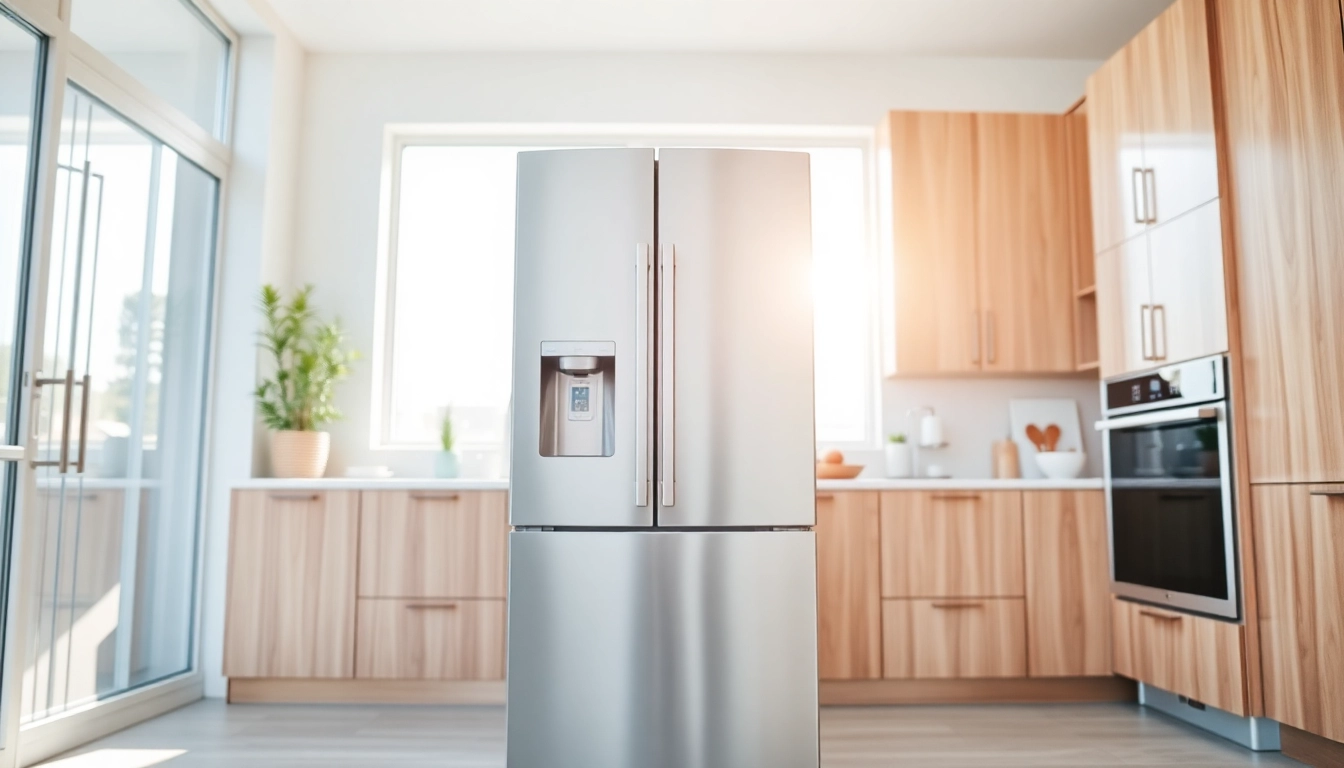
Understanding Different Types of Refrigerators
Choosing the perfect refrigerator for your kitchen can be a daunting task given the multitude of options available today. Understanding the different types is crucial for making an informed decision. Broadly, refrigerators can be classified into three main categories, each designed to meet specific needs and preferences. In this section, we will explore these types in detail.
Top-Freezer Refrigerators
Top-freezer refrigerators are perhaps the most traditional design, featuring the refrigerator compartment on top and the freezer section below. This classic configuration offers a straightforward layout, making it an appealing option for those who value simplicity and ease of access.
- Advantages:
- Cost-effective and energy-efficient.
- Typically offers more storage space compared to other designs.
- Easy to organize large items.
- Best for: Families or individuals who frequently restock groceries and prefer ample refrigeration space.
Side-by-Side Refrigerators
Side-by-side refrigerators feature two vertical compartments, with the fridge on one side and the freezer on the other. This design allows for easy access to both sections without bending down or stretching to reach the top.
- Advantages:
- Convenient access to both fresh and frozen food items.
- Often includes features like water and ice dispensers.
- Ideal for narrow kitchens with limited depth.
- Best for: Households that value accessibility and modern features.
French Door Refrigerators
French door refrigerators are a stylish option that combines the benefits of both top-freezer and side-by-side models. They feature two doors for the refrigerator section and a drawer-style freezer at the bottom, offering ample space and modern aesthetics.
- Advantages:
- Wide shelves accommodate large items like pizzas and party trays.
- Energy efficiency and sleek design.
- Offers better visibility with easy access to contents.
- Best for: Families and those who enjoy a modern kitchen look.
Key Features to Look For in a Refrigerator
When choosing a refrigerator, certain features can significantly impact your overall satisfaction with the appliance. Understanding these features can help you select a model that perfectly aligns with your lifestyle and needs.
Energy Efficiency Ratings
Energy efficiency is a critical aspect of modern refrigerator design. Look for appliances with the Energy Star label, which indicates that the refrigerator meets energy-saving guidelines set by the U.S. Environmental Protection Agency.
- Benefits:
- Lower utility bills due to reduced energy consumption.
- Environmental benefits due to decreased energy use.
Storage Configurations and Capacity
The storage configuration of a refrigerator affects how well you can organize your food. Some models feature adjustable shelves, bins, and compartments that allow for versatile storage options. Evaluate your typical grocery purchases and choose a model that supports your organizational needs.
Smart Features for Modern Living
Many of today’s refrigerators come equipped with smart technology. These features can range from touchscreen interfaces to Wi-Fi connectivity that allows users to control settings and access inventory remotely. Consider if these smart features align with your tech-savvy lifestyle.
Choosing the Right Size for Your Space
Size is a pivotal factor in selecting a refrigerator, as it affects both functionality and aesthetics. Here are some key considerations to ensure your new appliance fits seamlessly into your kitchen.
Measuring Your Kitchen Area
Before purchasing a refrigerator, take accurate measurements of the space where it will be located. Include the width, depth, and height, as well as under cabinet space if applicable. Consider any overhang from countertops or cabinetry that may obstruct the refrigerator's door swing.
Consideration for Door Swing and Clearance
Door swing is crucial for easy access to the refrigerator's contents. Ensure there is sufficient clearance on all sides for the doors to open completely without obstruction. This will aid in a smooth user experience.
Fitting the Refrigerator in Your Design
Choose a refrigerator that complements your kitchen’s aesthetics. It should blend well with cabinetry and decor. Color, finish, and design elements matter, so explore options that suit your style while considering functionality.
Maintenance Tips for Longevity of Your Refrigerator
Proper maintenance can significantly extend the lifespan of your refrigerator, ensuring it operates efficiently for years. Here are some essential maintenance tips.
Regular Cleaning Practices
Maintaining a clean refrigerator is vital for hygiene and efficiency. Clean spills promptly and give shelves and drawers a thorough wash every few months. Don't forget to clean the condenser coils located at the back or bottom, as dust accumulation can hinder cooling.
Temperature Settings for Optimal Performance
Keep your refrigerator set between 37°F and 40°F (3°C to 5°C) to maintain food freshness while ensuring energy efficiency. Use a thermometer to monitor the internal temperature regularly.
Common Repairs and Troubleshooting
Familiarize yourself with common refrigerator problems such as improper cooling or peculiar noises. If issues arise, consult the user manual for troubleshooting tips or consider seeking professional repair services to address complex issues.
FAQs About Refrigerators
What is the average lifespan of a refrigerator?
The average refrigerator lasts about 10 to 20 years, depending on the model, brand, and maintenance practices.
How often should I clean my refrigerator?
You should clean your refrigerator every 3-6 months to check for expired items and maintain hygiene.
What is the best temperature for a refrigerator?
The best temperature range for a refrigerator is between 37°F and 40°F (3°C to 5°C) for optimal food preservation.
Are there refrigerator models that are more energy-efficient?
Yes, many brands offer models with the Energy Star certification, designed to use less energy without compromising performance.
How can I maximize the space in my refrigerator?
Maximize space by using organizers, keeping similar items together, and routinely checking expiration dates to declutter.