
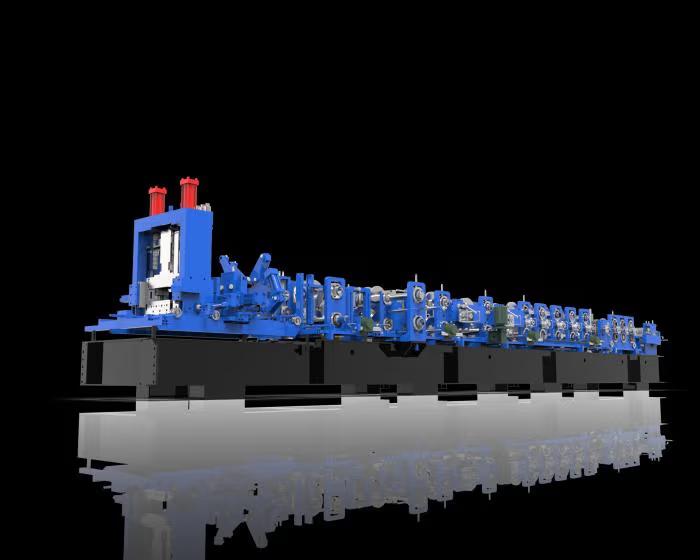
As manufacturing industries continue to focus on efficiency and productivity, continuous roll forming production has become a preferred solution for producing metal profiles and components. This process allows manufacturers to create consistent products at high volumes while reducing production interruptions.
Continuous roll forming combines precision engineering with modern automation to improve manufacturing performance. When supported by custom machinery solutions and advanced production technologies, manufacturers can achieve greater efficiency while maintaining product quality across large production runs.
The Growing Demand for Continuous Production
Modern construction and industrial projects often require large quantities of metal components within tight deadlines. Traditional manufacturing methods may involve multiple production stages, which can increase labor requirements and slow overall output.
Continuous roll forming provides a more streamlined approach. By shaping metal through a series of rollers in a continuous process, manufacturers can produce components efficiently while maintaining consistent quality standards.
Benefits of Continuous Roll Forming Production
Higher Production Efficiency
Continuous production minimizes interruptions and helps manufacturers achieve higher output levels compared to many conventional manufacturing methods.
Consistent Product Quality
The continuous nature of the process allows manufacturers to maintain accurate dimensions and uniform product quality throughout production.
Reduced Material Waste
Efficient production processes help maximize material utilization and reduce unnecessary waste during manufacturing.
Lower Operating Costs
By improving productivity and reducing labor requirements, continuous roll forming can contribute to lower overall production costs.
Greater Manufacturing Flexibility
Modern production systems can be adapted to produce a variety of profiles and components for different industries and applications.
Continuous roll forming is commonly used for:
- Construction framing systems
- Roofing and wall panels
- Industrial components
- Structural steel profiles
- Storage systems
- Infrastructure projects
- Custom manufacturing applications
Its versatility makes it suitable for both large-scale production and specialized manufacturing requirements.
Supporting Custom Framing Applications
Many manufacturers use custom framing tools to produce profiles designed for specific construction projects. Continuous roll forming helps improve the efficiency of these operations by maintaining consistent production speeds and reliable product quality.
This allows manufacturers to meet project requirements while reducing production delays and improving workflow efficiency.
Choosing the Right Production Solution
When evaluating roll forming equipment, manufacturers should consider production capacity, automation capabilities, product requirements, and long-term reliability. Investing in effective custom machinery solutions can help improve operational performance and support future business growth.
A well-designed production system should balance efficiency, flexibility, and product quality to meet changing market demands.
Conclusion
As manufacturers continue to seek faster and more efficient production methods, continuous roll forming remains an increasingly valuable solution. Its ability to improve productivity, maintain consistent quality, and reduce waste makes it well suited for modern manufacturing environments.
Whether supporting specialized custom framing tools or advanced custom machinery solutions, continuous roll forming production helps manufacturers achieve reliable results while improving overall operational efficiency.