1. Introduction to the Piraminds
The piraminds have captivated human curiosity for millennia. These monumental structures symbolize the ingenuity of ancient civilizations, particularly the Egyptian empire, where they served a multifaceted purpose beyond mere tombs. Their architectural brilliance, enigmatic history, and cultural significance continue to provoke fascination and debate among historians, archaeologists, and enthusiasts. In this comprehensive exploration, we will delve into the world of piraminds, examining their characteristics, construction, myths, tourist experiences, and much more.
1.1 Understanding Piraminds
Piraminds are large, triangular structures primarily associated with ancient Egypt, constructed as monumental tombs for pharaohs and elite individuals. Their design, featuring a square base and four triangular faces converging to a point at the top, symbolizes the rays of the sun, which the Egyptians believed helped the deceased ascend to the heavens. This architectural style has been emulated across different cultures worldwide, showcasing their influence beyond just their geographical origin.
1.2 Historical Significance
The historical journey of piraminds stretches back to around 2630 BC with the Step Pyramid of Djoser, marking an evolution in monumental construction techniques and spiritual beliefs. The Great Pyramid of Giza, built for Pharaoh Khufu, represents the pinnacle of such architectural endeavors, standing at approximately 481 feet tall. These structures not only served as royal tombs but also as complex representations of Egyptian cosmology and the afterlife, where rituals were performed to ensure the pharaoh's safe passage into the next world.
1.3 Cultural Impact
The cultural impact of piraminds extends far beyond the Egyptian civilization. They have inspired stories, art, architecture, and even modern-day tourism. The grandeur of these structures has continually shaped narratives within literature, cinema, and popular culture, symbolizing mystery and ancient wisdom. In contemporary society, piraminds draw millions of visitors each year, solidifying their status as an enduring marvel of human achievement.
2. Architectural Marvels of Piraminds
2.1 Construction Techniques
The construction of piraminds involved sophisticated engineering skills and labor management. Contrary to popular belief that slaves built the pyramids, recent studies suggest that skilled workers, who were well-fed and housed, constructed these architectural wonders. Techniques included the use of a straight and level approach to move immense stone blocks into place, employing ramps, levers, and counterweights. The collaborative effort of laborers, architects, and engineers culminated in structures that would withstand the test of time.
2.2 Materials Used
The primary materials used in the construction of piraminds were limestone, granite, and mud bricks. Limestone blocks, primarily quarried in Tura, served as the exterior casing, making the piraminds gleam under the Egyptian sun. Granite, much heavier and sourced from Aswan, was used in the inner chambers and for structural components, including sarcophagi. The variation in material choice not only influenced the pyramids' appearance but also their durability.
2.3 Alignment and Orientation
One of the most remarkable aspects of piraminds is their astronomical alignment. The Great Pyramid of Giza is aligned with extraordinary precision to the cardinal points of the compass. Recent research suggests that the Egyptians likely used sophisticated methods to achieve such accuracy, possibly involving the heliacal rising of stars or the sun's position. The orientations and alignments connect these structures to celestial phenomena, reflecting the Egyptians' advanced understanding of astronomy.
3. Myths and Facts Surrounding Piraminds
3.1 Common Myths Debunked
Many myths surrounding piramids have arisen over the centuries, often highlighting ignorance or sensationalism. One myth claims that the pyramids were built by slaves; however, historians have debunked this by revealing that skilled laborers undertook these projects. Another myth suggests that the piramids were built in a single lifetime; in reality, construction often spanned decades, if not centuries, involving multiple generations of workers.
3.2 Fascinating Facts
Numerous fascinating facts about piraminds pique interest. For instance, the Great Pyramid was the tallest man-made structure in the world for over 3,800 years. Also, the initial casing stones were polished to a white finish, allowing the pyramid to shine like a "gem" in the desert sun. Interestingly, each side of the Great Pyramid measures approximately 756 feet in length, showcasing an unparalleled level of precision in ancient engineering. The pyramids also served complex social, religious, and cultural purposes, reinforcing their importance beyond mere burial sites.
3.3 Modern Discoveries
Modern technology has unearthed continued revelations about piraminds. Techniques such as 3D imaging, infrared thermography, and robotics have allowed researchers to uncover hidden chambers within these structures. Notable discoveries include the use of advanced drones and scanning technology that have detected previously unknown passageways and voids, further unraveling the secrets embedded within these ancient marvels.
4. Tourist Perspectives on Piraminds
4.1 Popular Tourist Routes
Tourist interest in piraminds leads many to embark on journeys through Egypt. Popular routes often include visits to the Great Pyramid of Giza, the Sphinx, and the other pyramids in the Giza Plateau, followed by trips to Saqqara and Dashur, where lesser-known but equally fascinating structures exist. Tours often blend historical insights with immersive experiences, enabling visitors to appreciate the grandeur of these iconic landmarks.
4.2 Visitor Experiences
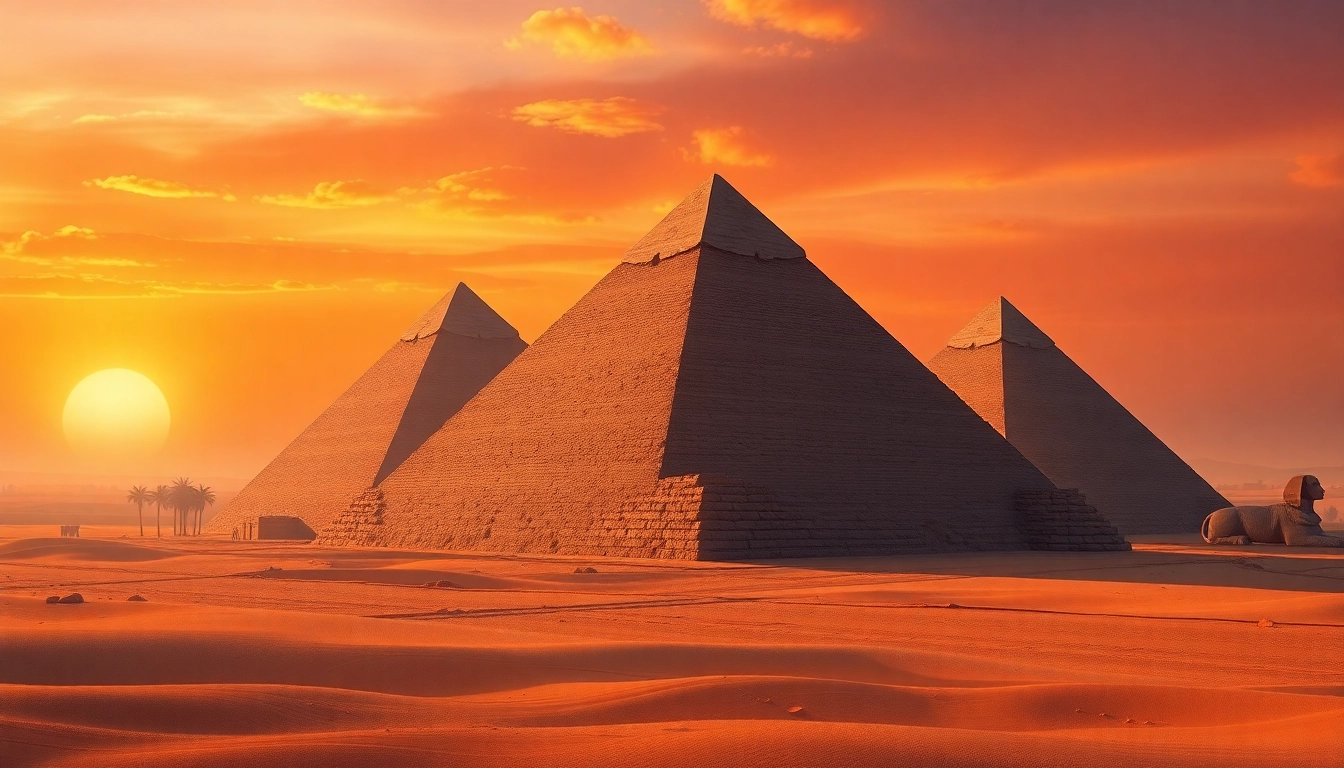
Visitor experiences at piarminds vary widely, from guided tours rich in historical context to personal exploration. Many tourists are genuinely awed by the scale and mystery of the piraminds, often voicing a deep appreciation for the ancient craftsmanship involved. Sunset views over the pyramids are particularly popular, creating an indelible memory as the sun's golden hues bathe the structures, accentuating their majestic form.
4.3 Preservation Efforts
Preservation efforts concerning piraminds are vital to protect these historical treasures from the impacts of pollution, climate change, and urban development. Organizations and government agencies work together to implement sustainable tourism practices, conduct restoration projects, and develop education campaigns to raise awareness about the significance of preserving such monuments for future generations.
5. FAQs About Piraminds
5.1 What are the most famous piraminds?
The most famous piraminds include the Great Pyramid of Giza, the Pyramid of Khafre, and the Pyramid of Menkaure, collectively forming the Giza Plateau's iconic skyline.
5.2 How were the piraminds constructed?
Piraminds were constructed using a combination of skilled labor, advanced engineering methods, and durable materials like limestone and granite over many decades, allowing for precision and stability.
5.3 What is the purpose of piraminds?
Piraminds primarily served as tombs for pharaohs and elites, reflecting their beliefs in the afterlife and the need for monumental structures to honor and preserve their legacy.
5.4 Are there piramids outside of Egypt?
Yes, besides Egypt, significant piramids can be found in cultures such as the Maya, Aztec, and Nubian civilizations, showcasing varying architectural styles and purposes.
5.5 How can I visit the piraminds safely?
To visit piraminds safely, it is advisable to book guided tours, adhere to local regulations, and remain aware of your surroundings. Staying hydrated and dressing appropriately for the weather is also important.