Understanding Marginal Pond Plants
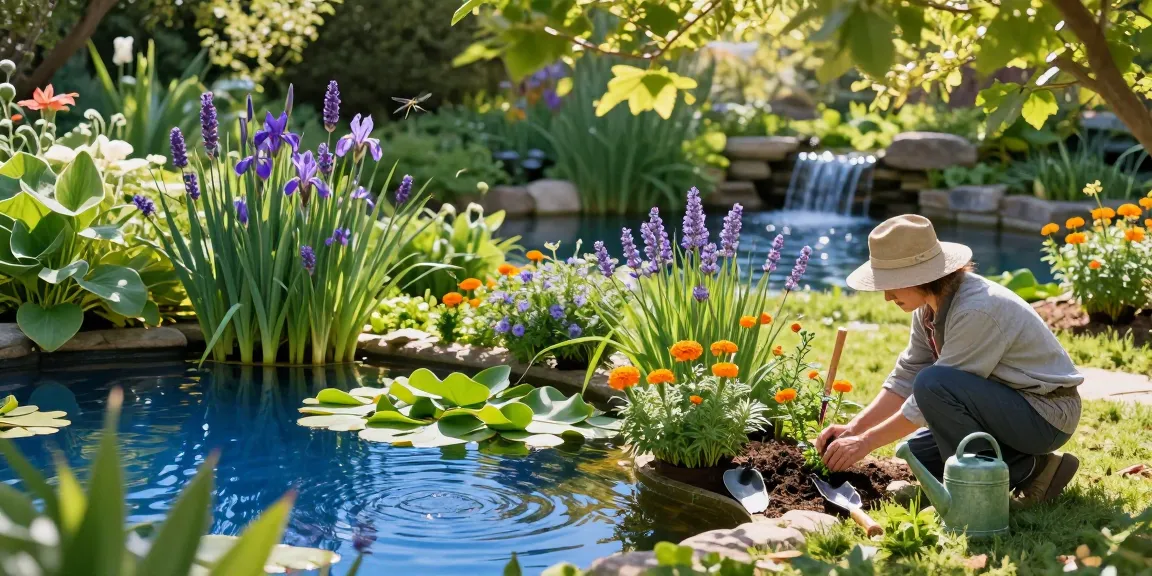
Marginal pond plants play a crucial role in the aesthetics and ecology of garden ponds. These plants, which typically grow along the edges of water bodies, thrive in shallow water and create a vibrant ecosystem that benefits both wildlife and the pond’s overall health. When exploring options, Marginal Pond Plants provide comprehensive insights into how to enhance your aquatic landscape effectively.
What Are Marginal Pond Plants?
Marginal pond plants are aquatic flora that grow in the wet soils at the water’s edge, often partially submerged. These plants occupy the zone between terrestrial and fully aquatic systems and include a diverse array of species such as sedges, rushes, and flowering plants. Their adaptability to varying water levels makes them ideal for enhancing the ecological balance of garden ponds.
Benefits of Incorporating Marginal Plants
- Habitat Creation: Marginal plants provide essential habitats for various aquatic organisms, including insects and amphibians, thereby promoting biodiversity.
- Water Quality Improvement: These plants help purify water by absorbing excess nutrients and pollutants, reducing algae growth.
- Aesthetic Appeal: With a variety of colors and textures, marginal plants enhance the visual attractiveness of pond landscapes.
- Stabilization of Soil: Their root systems help to stabilize the soil at the pond’s edge, preventing erosion.
Identifying Key Species for Your Pond
When choosing marginal plants for your pond, consider species that are native to your area. Common options include Irises, Cattails, and Pickerelweed. Each species has unique traits that contribute to the pond ecosystem, such as attracting pollinators, providing shelter for fish, and adding oxygen to the water through photosynthesis.
Choosing the Right Marginal Pond Plants for Your Garden
Climate Considerations for Marginal Plants
The climate in your region significantly affects the types of marginal plants that will thrive. In colder climates, opt for hardy species like Golden Club or Blue Flag Iris, which can withstand frost. In warmer areas, explore options like Water Canna or Arum Lily, which thrive in higher temperatures.
Soil Types and Their Impact on Plant Growth
The composition of your soil plays a vital role in determining the success of your marginal pond plants. Clay soils retain moisture, making them suitable for plants like Cattails, while sandy soils drain quickly and are better suited for Bulrushes. Testing your soil can help you choose the right plants that will flourish in your garden’s unique conditions.
Best Practices for Plant Selection
- Research Native Species: Utilizing native species helps ensure the health of your pond ecosystem as they are adapted to local conditions.
- Avoid Invasive Species: Some ornamental plants can become invasive and disrupt local ecosystems; research plant characteristics before introducing them.
- Consider Plant Height: Layer plants from tall to short to create a visually appealing, structured look and maximize each plant’s light access.
Planting and Caring for Marginal Pond Plants
Step-by-Step Planting Guide
Planting marginal pond plants is a straightforward process that can be broken down into a few simple steps:
- Choose the Right Time: Spring and early summer are ideal for planting; this allows for establishment before the winter months.
- Prepare the Area: Clear the planting area of debris and undesirable weeds, ensuring a clean space for your new plants.
- Planting: Space plants according to their mature size, and place them in containers or directly into the soil, ensuring roots are fully covered.
- Watering: After planting, make sure the plants are well watered to help them establish quickly.
Maintenance Tips for Healthy Growth
Maintaining marginal plants involves regular checks for growth and health. Ensure that plants are not overcrowded, as this can lead to competition for nutrients and light. Pruning spent flowers and any dead vegetation will not only improve aesthetics but also encourage healthier growth.
Common Pests and How to Manage Them
Pests can sometimes be an issue for marginal plants. Common pests like aphids and snails may require intervention. Natural remedies, such as introducing beneficial insects or using organic pesticides, can effectively manage these threats while maintaining the ecological balance of your pond.
Designing a Beautiful Pond Landscape
Creating Visual Harmony with Marginal Plants
For a harmonious pond design, consider the color palette and textures of the marginal plants you choose. Grouping plants with similar characteristics together can create visual interest, while contrasting colors can make for striking focal points. Always consider the overall design of your garden when selecting and placing your plants.
Integrating Hardscapes and Water Features
Incorporating hardscapes such as rocks, pathways, and benches can enhance the overall appeal of your pond area. Ensure that water features like fountains or waterfalls are positioned to complement the surrounding plants, creating a serene and unified landscape.
Seasonal Changes and Plant Varieties
Different plants will thrive in different seasons, so it’s essential to select a variety of marginal plants that bloom at various times. This strategy ensures continuous interest throughout the year, with some plants providing colorful blooms in spring and others offering striking foliage in fall.
Future Trends in Pond Gardening
Emerging Species and Innovations in Aquatic Gardening
The field of aquatic gardening is continuously evolving, with new species being cultivated for gardens. Enthusiasts are increasingly looking for hybrids and new cultivars that offer disease resistance and unique aesthetics. Keeping an eye on trends can lead to innovative designs in your pond.
Environmental Considerations and Sustainability
As awareness grows around environmental issues, gardeners are prioritizing sustainable practices in pond gardening. Techniques such as using native plants, incorporating rain gardens, and maintaining organic growth methods are becoming the norm for responsible pond management.
Expert Insights and Predictions for 2026
Looking ahead to 2026, experts predict an increase in the use of technological advancements to monitor and enhance pond health. Innovations may include smart irrigation systems and water quality testing devices, allowing for more precise management of aquatic plants.
What Are the Benefits of Bio-diverse Ponds?
Bio-diverse ponds support a wide range of species, promoting a healthy ecosystem. They enhance resilience against pests and diseases and ensure a balanced food web, contributing to the overall stability of the aquatic environment. Including various marginal plants in your design is a vital way to foster biodiversity.
How to Attract Wildlife to Your Pond?
Creating habitats for wildlife involves planting native marginal plants, incorporating shelter, and providing food sources. A well-planned pond with vegetation offers nesting sites for birds, hiding places for fish, and feeding opportunities for insects, enhancing your pond’s wildlife potential.
Can Marginal Plants Help Maintain Water Quality?
Indeed, marginal plants play an essential role in maintaining water quality. By absorbing excess nutrients and filtering pollutants, they prevent the growth of harmful algae and help to create a balanced ecosystem. Their root systems also stabilize soil and minimize erosion, contributing further to water clarity.