
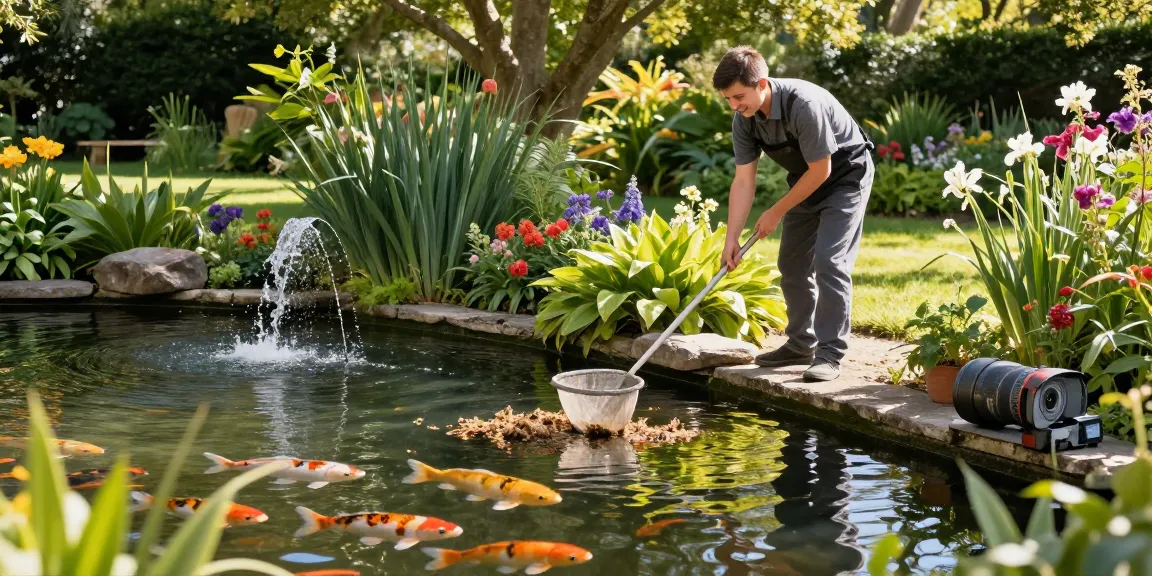
Understanding the Importance of Pond Cleaning Sussex
Pond cleaning is an essential aspect of maintaining a healthy and vibrant aquatic environment. In Sussex, where natural beauty abounds, having a well-maintained pond can enhance your property’s aesthetic and ecological value. Regular pond maintenance not only keeps the water clear and the fish healthy but also ensures that the ecosystem remains balanced and thriving. When exploring options, Pond Cleaning Sussex offers comprehensive insights into effective cleaning services tailored to local needs.
Why Regular Pond Maintenance Matters
Regular maintenance is crucial for preventing a range of pond-related issues. Over time, debris, algae, and other organic materials can accumulate, leading to problems such as poor water quality, foul odors, and an unhealthy environment for fish and other wildlife. By committing to routine cleaning, pond owners can enjoy:
- Improved Water Clarity: Clear water enhances aesthetic appeal and allows sunlight to penetrate, supporting aquatic plant life.
- Healthy Fish Population: Clean ponds minimize harmful bacteria and parasites that can affect fish health.
- Balanced Ecosystem: Regular cleaning helps maintain an equilibrium between plants and microorganisms, promoting a flourishing habitat.
- Reduced Maintenance Costs: Addressing issues early through regular cleaning can prevent expensive repairs or restorations later on.
The Benefits of Professional Pond Cleaning
While DIY pond cleaning is an option, professional services offer numerous advantages that make them worth considering. Experts in pond care bring a wealth of knowledge, advanced tools, and effective techniques to the table. Some key benefits include:
- Expertise: Professionals understand the specific needs of various pond types and can tailor their methods accordingly.
- Advanced Techniques: Utilizing state-of-the-art equipment and eco-friendly treatments, professionals can address issues effectively.
- Time Savings: Hiring experts frees up your time, allowing you to enjoy your pond rather than maintaining it.
- Long-term Health: Professionals can identify underlying issues and provide long-term solutions to ensure your pond remains in top condition.
Common Pond Issues and Solutions
Pond owners may face a variety of challenges, including:
- Excessive Algae Growth: Caused by nutrient overload, this can be mitigated through regular cleaning and the use of aquatic plants to absorb excess nutrients.
- Debris Accumulation: Leaves, dirt, and organic matter can suffocate beneficial bacteria. Regular removal of debris is necessary to keep the ecosystem healthy.
- Fish Diseases: Poor water quality can lead to outbreaks. Regular monitoring and cleaning help in preventing such issues.
Essential Techniques for Effective Pond Cleaning
Step-by-Step Pond Cleaning Process
Cleaning your pond effectively involves several steps:
- Assess the Pond: Begin by evaluating the condition of your pond, noting any specific issues that need addressing.
- Remove Debris: Use nets and rakes to remove leaves, twigs, and other debris from the surface and bottom of the pond.
- Clean the Edges: Clear the pond’s edges of sediment and plants to prevent algae growth.
- Check Water Quality: Test the water for pH, ammonia, and nitrates to ensure it is suitable for aquatic life.
- Perform Water Changes: Replace a portion of the pond water with fresh water to dilute contaminants.
- Monitor Fish Health: Observe fish for signs of stress or disease and consult a professional if necessary.
Choosing the Right Tools and Products
To effectively clean your pond, having the right tools is crucial. Some essential items include:
- Pond Nets: For scooping up leaves and debris.
- Rakes: To clear sediment from the bottom.
- Water Test Kits: To monitor the quality of the water regularly.
- Eco-friendly Algaecides: For managing algae growth without harming aquatic life.
Environmental Considerations and Best Practices
When cleaning your pond, it’s vital to consider the environmental impact of your actions. Here are best practices:
- Avoid Chemicals: Using harsh chemicals can harm fish and other wildlife. Opt for natural alternatives whenever possible.
- Compost Debris: Instead of disposing of pond debris, consider composting it for use in gardens.
- Native Plant Selection: When replanting, choose native species that support local wildlife.
Hiring Professional Pond Cleaning Services
What to Look for in a Pond Care Expert
When seeking professional pond cleaning services, it’s essential to find a reputable expert. Key factors to consider include:
- Experience: Look for companies with a proven track record in pond care.
- Certifications: Certifications from recognized bodies can assure quality service.
- Client Testimonials: Reviewing customer feedback can provide insights into service quality.
- Insurance: Ensure the provider is insured to protect yourself from liability.
Questions to Ask Before Hiring
Before making a hiring decision, consider asking the following questions:
- What specific services do you offer for pond cleaning?
- Can you provide references from previous clients?
- How do you ensure environmentally friendly practices?
- What is your process for addressing pond-related issues?
Cost Considerations and Budgeting
The cost of professional pond cleaning can vary significantly based on several factors:
- Pond Size: Larger ponds require more time and resources to clean.
- Extent of Cleaning Required: If significant issues need to be addressed, costs may increase.
- Location: Depending on the area and travel distance, pricing may vary.
It’s advisable to get multiple quotes and understand the services included in each estimate before making a decision.
DIY Pond Cleaning Tips and Tricks
Maximizing Results with Simple Tools
Even if you opt for a DIY approach to pond cleaning, using the right tools can greatly enhance your results. Consider these simple tools:
- Garden Hose: Useful for rinsing off debris and performing minor water changes.
- Fish Net: Perfect for catching floating debris and monitoring fish health.
- Vacuum: A pond vacuum can help remove sediment from the bottom effectively.
Seasonal Pond Care Checklist
To maintain your pond throughout the year, consider this seasonal checklist:
- Spring: Inspect for winter damage, remove debris, and start replanting.
- Summer: Monitor algae growth and water levels; perform regular cleaning.
- Fall: Remove leaves and prepare the pond for winter.
- Winter: Ensure that the pond does not freeze over completely; maintain a hole for gas exchange.
Safety Precautions and Tips for Homeowners
Safety should always be a priority when cleaning your pond. Here are some tips:
- Wear Protective Gear: Gloves and boots can protect you from potential hazards in the water.
- Stay Aware of Depths: Be cautious around deeper areas to prevent accidents.
- Handle Chemicals Carefully: If using treatments, follow instructions carefully to prevent harm to fish and plants.
Future Trends in Pond Maintenance for 2026 and Beyond
Innovative Products for Sustainable Pond Care
As we look forward to 2026, the pond care industry is evolving with innovative solutions aimed at sustainability. Products such as:
- Biodegradable Algaecides: These will help control algae without harming the ecosystem.
- Smart Monitoring Systems: IoT devices that monitor water quality parameters in real-time.
- Natural Filtration Systems: Using plants and minerals to maintain water quality sustainably.
Emerging Techniques in Pond Cleaning
New techniques are being developed to improve the efficiency of pond cleaning, including:
- Automated Cleaning Robots: These devices can clean ponds continuously with minimal human intervention.
- UV Sterilization: A method that helps eliminate harmful microorganisms effectively.
Predictions for the Future of Pond Maintenance
Experts predict that by 2026, pond maintenance will become increasingly reliant on technology, with more homeowners opting for professional services that use innovative methods. Additionally, an emphasis on ecosystem health will steer pond care towards more holistic, environmentally-friendly practices that prioritize biodiversity and sustainability.