

Introduction to Food Warmer Essentials
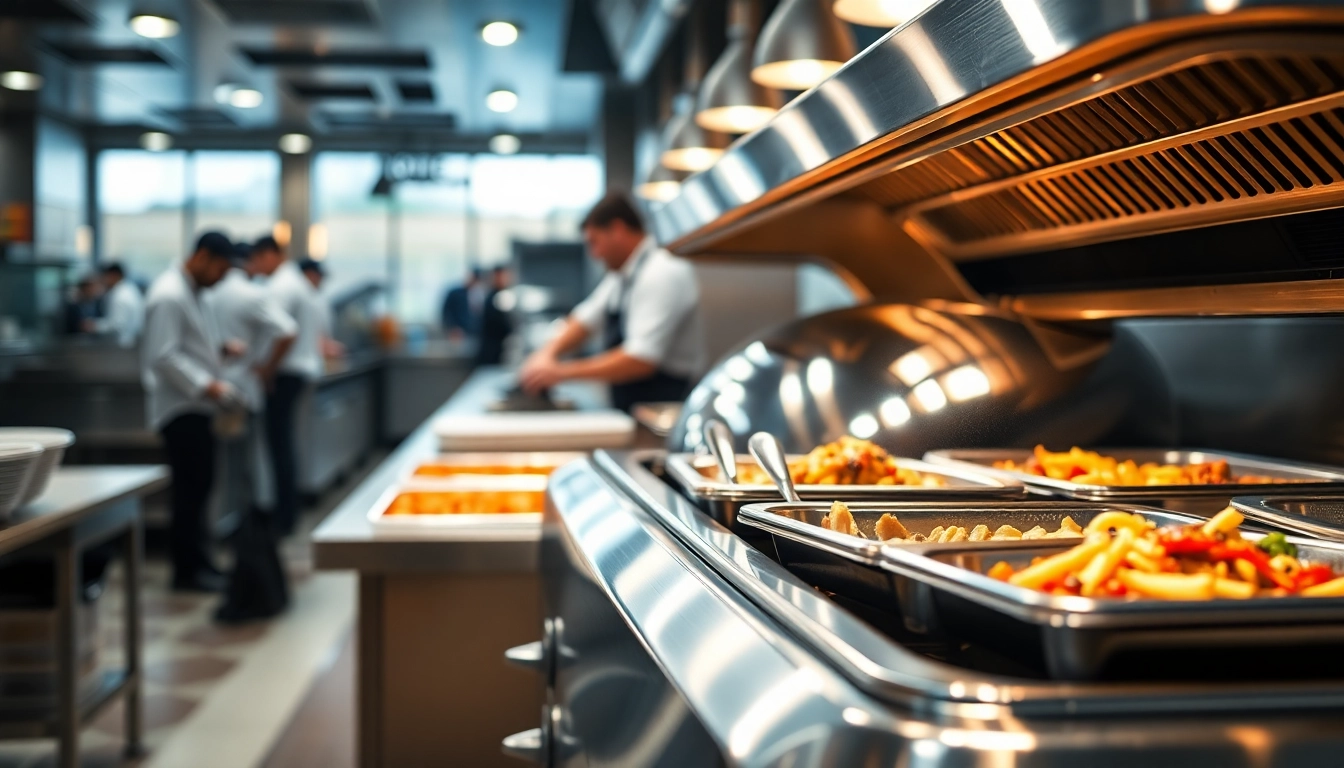
In the world of food service, food warmer becomes the key to maintaining the temperature and quality of prepared meals. Whether in restaurants or for catering events, understanding the significance and operational mechanisms of food warmers can drastically impact service quality and customer satisfaction. When properly employed, these devices enhance the dining experience while ensuring safety and efficiency.
Understanding Food Warmers
Food warmers are essential appliances designed to keep prepared food at safe serving temperatures until it is ready to be served. They are typically designed to maintain food above the danger zone of 140°F, preventing bacterial growth and ensuring food safety. Food warmers come in various types, from countertop models suitable for small setups to large commercial units that can handle high volume service.
How Food Warmers Function
Most food warmers operate using either electric heating elements, water baths, or heated air to maintain temperatures. Electric food warmers utilize coils or infrared technology to directly heat the food, while water baths provide even temperature distribution. Understanding how each type functions can help users maintain optimal operating conditions for different types of cuisine.
Key Features of a Reliable Food Warmer
A reliable food warmer should have adjustable temperature settings, an easy-to-clean surface, energy efficiency, and a design that retains heat effectively. Additional features such as built-in timers and food safety alarms can further enhance usability and efficiency, making them crucial for busy environments.
Types of Food Warmers Available
Countertop Food Warmers
Countertop food warmers are designed for small kitchens, catering needs, and buffet setups. They vary in size and cooking capacity, enabling businesses to select a model that fits their space. Many include compartments for chafing dishes or pans, making them versatile for serving various foods while keeping them hot.
Commercial Food Warmers
Commercial food warmers are larger units often used in restaurants or large events. They include features such as multiple shelves, larger capacity, and built-in humidity controls to keep food from drying out. Ideal for extensive service needs, these warmers are crucial for maintaining food safety and quality during peak service hours.
Portable Food Warmers
Portable food warmers cater to outdoor events or off-site catering services. Many are lightweight and include battery power options, making them convenient for transport. Their ability to retain heat over long periods is critical for outdoor gatherings where access to power sources may be limited.
Benefits of Using a Food Warmer
Maintaining Temperature and Quality
Investing in a quality food warmer allows restaurants and caterers to serve dishes at the desired temperature and freshness. Properly maintained dishes not only look appealing to customers but also significantly enhance the overall dining experience.
Food Safety Standards
Compliance with food safety standards is non-negotiable in the food service industry. Food warmers help maintain foods at safe temperatures, adhering to health guidelines, while significantly lowering the risk of foodborne illnesses. Keeping foods consistently heated above 140°F ensures that they remain safe for consumption at all times.
Boosting Operational Efficiency
Operational efficiency is crucial in any food service environment. A good food warmer allows staff to prepare food in advance and hold it at optimal temperatures until serving. This capability reduces food prep time during peak hours and improves staff workflow, resulting in better service and customer satisfaction.
Choosing the Right Food Warmer for Your Needs
Evaluating Size and Space Requirements
Before selecting a food warmer, it’s vital to assess the available kitchen space and the volume of food being served. Understanding dimensions and capacities ensures that the chosen warmer fits seamlessly into the operation environment without overcrowding or blocking access to other kitchen equipment.
Considering Energy Efficiency
Energy efficiency is an important factor when choosing a food warmer, particularly for large commercial kitchens. Models with energy-saving features can lower operational costs and reduce environmental impact, providing long-term business savings.
Assessing Budget and Pricing Options
Food warmers come in a range of prices depending on features, size, and brand. Assessing the budget is essential for ensuring that the right investment is made without compromising on quality. It’s also prudent to consider warranty and service options, which might affect long-term costs.
FAQs About Food Warmers
1. Are food warmers worth the investment?
Yes, food warmers maintain food quality and reduce waste, making them invaluable for businesses.
2. How long can food be kept in a food warmer?
Food can be safely held at a minimum of 140°F indefinitely, or 135°F for up to 8 hours.
3. What types of food are best suited for food warmers?
Food warmers are ideal for maintaining temperatures of prepared meals, like casseroles and entrees.
4. How do I clean and maintain my food warmer?
Regular cleaning with mild detergent and warm water ensures optimal performance and hygiene.
5. Can food warmers be used outdoors?
Some portable food warmers are designed for outdoor use, making them suitable for events and gatherings.