
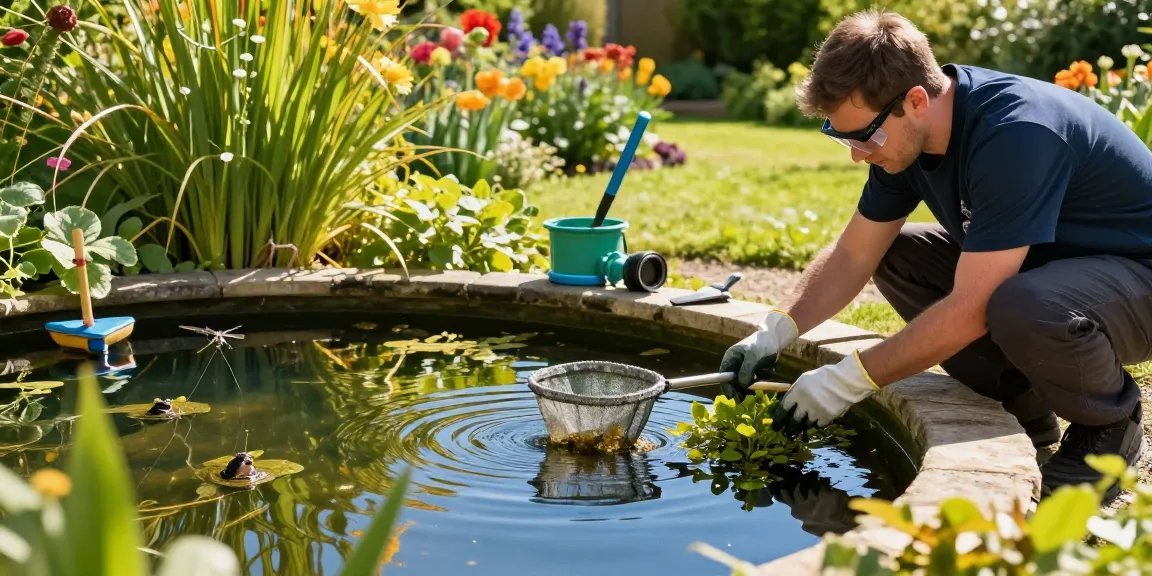
Understanding Pond Cleaning Services
Ponds serve as a serene oasis in our backyards, providing not only aesthetic appeal but also a habitat for diverse wildlife. However, maintaining these aquatic ecosystems requires diligent care, particularly through regular cleaning. Pond Cleaning Sussex encompasses a variety of services aimed at preserving the beauty and health of ponds across Sussex. This article delves into the significance of pond cleaning, common challenges faced by pond owners, and how to effectively manage pond health.
What is Pond Cleaning Sussex?
Pond Cleaning Sussex refers to the specialized services offered to restore and maintain the cleanliness of ponds within the Sussex area. This includes removing debris, excess algae, sludge, and other pollutants that can hinder the aesthetic and ecological function of the pond. Professional cleaners utilize a range of techniques and tools tailored to the specific needs of each pond, ensuring optimal results that promote a healthy environment for fish and plant life.
Importance of Regular Maintenance
Regular maintenance is crucial for sustaining the health and beauty of ponds. Failing to clean your pond can lead to a build-up of organic matter, which, in turn, breeds harmful bacteria and algae. These issues not only affect the visual appeal but can also disrupt the balance of the ecosystem, leading to fish kills and unpleasant odors. By engaging in regular pond cleaning, owners can proactively address these challenges, ensuring that their ponds remain vibrant and supportive of local wildlife.
Common Issues Faced by Pond Owners
- Algae Blooms: Uncontrolled algae growth is one of the most common issues, often resulting from nutrient overloads from decaying organic material.
- Debris Accumulation: Leaves, twigs, and other debris can accumulate and decompose, impacting water quality.
- Water Clarity Problems: Poor water visibility may indicate excess nutrients or harmful bacteria.
- Pest Infestation: Stagnant water environments may attract pests, such as mosquitoes, which can lead to health concerns.
Techniques and Tools for Effective Pond Cleaning
Effective pond cleaning requires a combination of the right techniques and tools. Understanding the appropriate methods for your specific type of pond can greatly enhance its health and functionality.
Essential Equipment for Pond Care
Some of the necessary equipment for pond cleaning includes:
- Pond Vacuum: Ideal for sucking up sludge and debris from the pond floor.
- Algae Scraper: Helps in removing stubborn algae from pond surfaces.
- Water Testing Kits: Essential for monitoring water quality, ensuring pH, ammonia, and nitrate levels are within safe limits.
- Rakes and Nets: Useful for manually removing larger debris and leaves from the pond.
Step-by-Step Cleaning Process
- Preparation: Remove any fish or sensitive aquatic plants to a safe location.
- Debris Removal: Use nets and rakes to clear the pond surface and bottom of debris.
- Pond Vacuuming: Apply a pond vacuum to clean out sludge and muck.
- Algae Management: Scrape off algae from the sides and bottom, and utilize an algaecide if necessary.
- Water Quality Check: Conduct thorough water tests to ensure optimal conditions before reintroducing any aquatic life.
Safety Considerations for Pond Maintenance
When conducting pond cleaning, safety should never be overlooked. Here are some considerations:
- Physical Safety: Ensure the area around the pond is free from hazards to avoid slips and falls.
- Protective Gear: Wear gloves and boots to protect against sharp objects or contaminants.
- Pond Depth Awareness: Be cautious of deep areas to avoid accidents during cleaning processes.
Environmental Impact of Pond Cleaning
Pond cleaning is not only about maintaining aesthetics but also plays a significant role in the local ecology. Understanding the environmental impacts can help enhance pond care practices.
Benefits to Local Ecosystems
Effective pond cleaning promotes biodiversity by creating a healthier environment for native plants and wildlife. Clean water supports the growth of beneficial bacteria, which help break down organic matter and maintain a balanced ecosystem.
Minimizing Pollutants in Water Bodies
Regular cleaning helps remove pollutants before they enter local waterways. By filtering out debris and controlling algae, pond owners can significantly reduce the risk of harmful runoff that could affect surrounding ecosystems.
Best Practices for Eco-friendly Cleaning
- Use Natural Products: Opt for biodegradable cleaning products that do not harm aquatic life.
- Manual Removal: Whenever possible, manually remove debris instead of relying on chemicals.
- Promote Native Plant Growth: Incorporate native aquatic plants that can help naturally filter water and provide habitat.
Maintaining a Healthy Pond Ecosystem
Maintaining a balanced ecosystem in your pond is vital for long-term health and sustainability. Here’s how to achieve that balance effectively.
Balancing Plant and Animal Life
A thriving pond ecosystem requires careful management of both plant and animal life. Introduce a mix of native aquatic plants to provide cover and breeding spaces for fish and other wildlife. This biodiversity promotes a healthy food web and contributes to overall pond stability.
Water Quality Testing and Management
Regular water testing is essential for managing the health of the pond. Test for key parameters such as:
- pH Levels: Should generally be between 6.5 and 8.5.
- Ammonia and Nitrite Levels: Should be maintained at low levels to prevent toxicity.
- Dissolved Oxygen: Essential for fish survival; levels should ideally be above 5 mg/L.
Seasonal Pond Care Tips
Throughout the year, ponds require different care routines:
- Spring: Remove debris that has accumulated over winter and monitor for algae growth.
- Summer: Check water levels, monitor temperatures, and conduct regular cleanings.
- Fall: Clear leaves and prepare for winter by reducing feeding of fish.
- Winter: Ensure a portion of the pond remains unfrozen for gas exchange and fish health.
Future Trends in Pond Management
The field of pond management is continuously evolving, with trends emerging that focus on sustainability and technological innovations.
Innovative Cleaning Techniques for 2026
As we look towards 2026, expect to see advancements in cleaning techniques, including automated systems that utilize drones for debris scanning and removal, providing efficiency and minimizing labor costs.
Technology and Automation in Pond Care
Smart technology, such as underwater sensors and automated monitoring systems, will allow pond owners to track water quality metrics in real-time, enabling timely interventions as needed.
Predictions for Sustainable Practices
Future practices will likely emphasize sustainability, with an increase in the use of organic cleaning products and natural methods for pest control, contributing to healthier environments for both humans and wildlife.
What are the benefits of professional pond cleaning?
Professional pond cleaning offers several advantages, including expertise in effective techniques, access to specialized equipment, and assurance of a comprehensive cleaning that promotes long-term pond health. Professionals are also trained to recognize and mitigate potential issues that may not be immediately apparent to the average pond owner.
How often should a pond be cleaned?
The frequency of pond cleaning largely depends on the size of the pond, the number of fish, and surrounding vegetation. Generally, small to medium ponds require cleaning at least once or twice a year, while larger ponds may need seasonal maintenance to keep them in optimal condition.
What specific services are included in pond cleaning?
Pond cleaning services typically include debris removal, algae management, sludge vacuuming, water quality testing, and, if necessary, the application of eco-friendly treatments to restore balance to the ecosystem.
How can I maintain my pond between cleanings?
To maintain your pond between cleanings, regularly check water levels, monitor for algae and debris accumulation, and ensure that the aquatic life is thriving. Implementing a routine of manual debris removal can greatly assist in keeping the pond healthy.
What safety measures should I consider during pond cleaning?
Safety measures during pond cleaning should include wearing protective gear, ensuring the work area is safe and free from hazards, and being aware of water depth. Additionally, consider the safety of fish and aquatic life by ensuring they are temporarily relocated or adequately protected during the cleaning process.