Understanding Marginal Pond Plants
Marginal pond plants are essential components of a healthy aquatic ecosystem. These versatile plants thrive at the edges of ponds and water gardens, playing a crucial role in stabilizing soil, providing habitat for wildlife, and enhancing the aesthetics of your outdoor space. When exploring options, Marginal Pond Plants offer a diverse range that can cater to various conditions and preferences, ensuring that gardeners can find the perfect fit for their unique settings.
What Are Marginal Pond Plants?
Marginal pond plants are those that grow in shallow water, at the margin of ponds, lakes, or streams. Typically found in water depths of 0 to 12 inches, these plants are characterized by their ability to thrive in wet soil conditions while their roots are submerged. This category includes a broad array of flora, ranging from grasses and sedges to flowering perennials. Their placement around pond edges is crucial as they create a transition zone between the aquatic and terrestrial environments.
Benefits of Incorporating Marginal Pond Plants
- Soil Stabilization: They help prevent soil erosion by anchoring the soil around the pond’s edges.
- Wildlife Habitat: These plants provide essential habitats for amphibians, birds, and beneficial insects.
- Aesthetic Appeal: With their beautiful flowers and lush foliage, marginal plants enhance the visual appeal of any pond or water garden.
- Water Quality Improvement: Their roots help filter pollutants and excess nutrients from the water, contributing to a healthier ecosystem.
Common Types of Marginal Pond Plants
Some popular marginal pond plants include:
- Water Iris (Iris pseudacorus): Known for their vibrant yellow flowers, these plants thrive in wet soils and can grow submerged in shallow water.
- Reed Sweet Grass (Glyceria maxima): This grass provides excellent shelter for wildlife and is ideal for displaying along the edges of ponds.
- Cattails (Typha latifolia): Iconic for their tall stature and fluffy flower spikes, cattails are excellent for stabilizing shorelines.
- Pickerel Weed (Pontederia cordata): This plant features stunning blue flowers and attracts pollinators while thriving in shallow water.
Creating the Ideal Environment
Choosing the Right Location for Planting
When selecting the location for your marginal pond plants, consider the amount of sunlight and shade the area receives. Most marginal plants thrive in full sun to partial shade, ideally receiving around six hours of sunlight daily. Additionally, choose a spot where the plants can establish themselves without competition from invasive species or other aggressive plants, ensuring they have the room they need to flourish.
Water Depth and Quality Requirements
Understanding the water depth is critical for the successful growth of marginal pond plants. These plants typically prefer water levels ranging from 0 to 12 inches deep. Additionally, maintaining clean water quality is essential; marginal plants can thrive in slightly acidic to neutral pH levels (around 6.0 to 7.5). Regular testing and monitoring will help keep the plants healthy and vibrant.
Soil Preparation and Nutrient Management
Soil type greatly influences the growth of marginal pond plants. They prefer nutrient-rich soil, which can be enhanced with organic matter such as compost or well-rotted manure. Before planting, prepare the soil by loosening it to improve drainage while ensuring it remains moist but not waterlogged. Incorporating slow-release fertilizers can also promote healthy growth while minimizing nutrient runoff into the water.
Planting Techniques and Best Practices
When to Plant Your Marginal Pond Plants
The best time to plant marginal pond plants is during the spring or early autumn when temperatures are moderate. This timing allows plants to establish themselves before the heat of summer or the chill of winter. However, care should be taken not to plant during extreme conditions, as young plants may struggle to adapt.
How to Properly Space and Arrange Plants
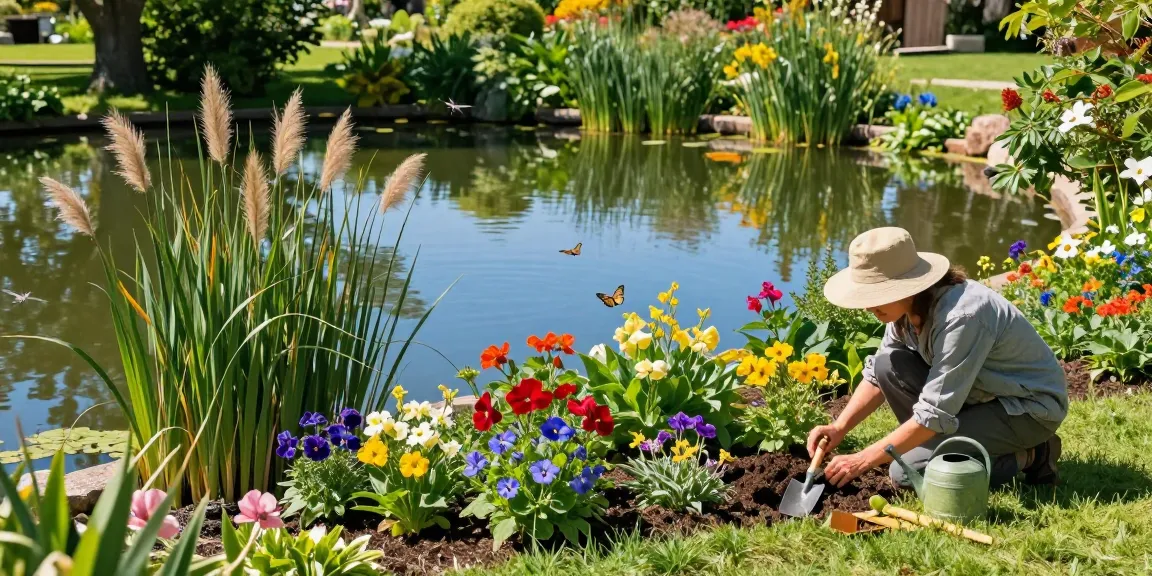
Proper spacing is vital for the success of marginal pond plants. Generally, spacing plants 12 to 24 inches apart will allow for adequate growth and airflow. Arranging taller plants like cattails at the back and shorter ones like water lilies in the front creates a tiered effect that enhances visual interest and gives each plant space to thrive. Consider groups of the same species for a more natural look.
Essential Tools and Equipment for Effective Planting
To plant marginal pond plants effectively, you will need a few essential tools:
- Shovel: For digging holes and amending soil.
- Garden Rake: To smooth the soil surface and remove debris.
- Watering Can: To ensure adequate moisture during dry spells.
- Gloves: Protect your hands while working with soil and plants.
Maintenance and Care for Healthy Growth
Water Management and Aeration Techniques
Regular water management is crucial for the health of marginal pond plants. Ensure that water levels are consistent, especially in warmer months, to prevent plants from drying out. Aeration can also enhance water quality; consider using aerators to maintain oxygen levels while preventing stagnation.
Controlling Weeds and Pests
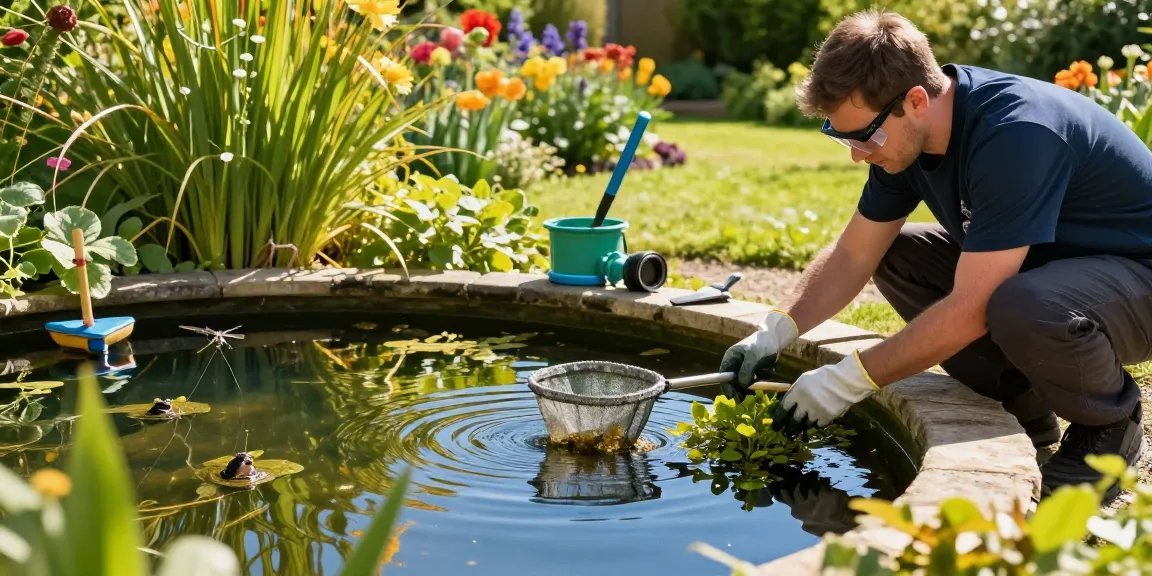
Weeds can compete with marginal pond plants for nutrients and light, so it’s essential to remove invasive species promptly. Manual removal is usually effective, but consider using biodegradable barriers if the problem persists. Additionally, monitor for pests such as aphids or caterpillars that can harm your plants, implementing organic pest control methods when necessary.
Seasonal Care Tips for Marginal Plants
As seasons change, so do the needs of your marginal pond plants. In spring, regularly check for new growth and consider dividing overcrowded plants. During summer, ensure consistent moisture is maintained. In autumn, trim back dead foliage to prepare plants for winter, and in winter, ensure that the ice does not cover submerged plants to prevent damage.
Future Trends in Gardening with Marginal Plants
Innovative Plant Varieties for 2026
As gardeners increasingly seek sustainable and resilient plants for their ponds, innovative varieties of marginal plants are emerging. Look for hybrids that offer disease resistance, improved aesthetics, and greater adaptability to climate fluctuations. These new varieties are not only beautiful but also support biodiversity and create healthier ecosystems.
Sustainable Gardening Practices
In 2026 and beyond, sustainable gardening practices will continue to gain momentum. Emphasizing native species can help restore local ecosystems while reducing water usage. Composting and organic fertilizers will become the norm, ensuring that gardens remain environmentally friendly while maintaining productivity.
Emerging Technologies in Pond Gardening
Advancements in technology are making it easier than ever to maintain healthy ponds. Smart irrigation systems and water quality monitors can help gardeners maintain optimal conditions for marginal plants. These innovations enable you to receive real-time updates and adapt your care strategies accordingly, enhancing your pond’s overall health.
What are the best practices for planting Marginal Pond Plants?
Best practices for planting marginal pond plants include selecting the right location, preparing the soil adequately, ensuring proper spacing, and choosing appropriate planting times. Always consider the specific needs of each plant species for optimal results.
How do I maintain my Marginal Pond Plants year-round?
Year-round maintenance involves monitoring water levels, controlling weeds and pests, adjusting care based on seasonal changes, and regularly checking soil quality. Consistent attention will yield a thriving pond ecosystem.
Can Marginal Pond Plants attract wildlife?
Yes, marginal pond plants are excellent at attracting wildlife, including pollinators like bees and butterflies, as well as birds and amphibians that rely on these plants for food and shelter.
What common pests affect Marginal Pond Plants?
Common pests include aphids, snails, and caterpillars. Regular monitoring and the use of organic pest control methods can help keep these pests at bay.
How can I improve the aesthetics of my pond with these plants?
Improving the aesthetics of your pond can be achieved by arranging a variety of heights and colors among your marginal plants, ensuring that they complement each other and add visual interest. Incorporating features like rocks or decorative fountains can further enhance the overall look.